
When we talk about successful Indian sweets brands, names like Haldiram’s, Bikanervala, and Hira Sweets naturally come to mind. Among them, Hira Sweets has quietly built a strong and profitable business model, especially in North India. What makes Hira Sweets interesting is not just its delicious sweets, but how efficiently the brand converts traditional Indian food into a scalable, modern business.
In this article, I’ll break down Hira Sweets’ business model, revenue streams, cost structure, and the real reasons behind its profitability, in a simple and engaging way.
Introduction to Hira Sweets
Hira Sweets is a well-known Indian sweets and snacks brand with a strong presence in Delhi NCR and North India. Over the years, it has evolved from a traditional mithai shop into a multi-format food business, offering:
- Traditional Indian sweets (mithai)
- Namkeen and snacks
- Bakery items
- Fast food and chaat
- South Indian dishes
- Full-service dining in select outlets
- Takeaway and bulk orders
The brand’s biggest strength lies in its ability to blend tradition with modern retail practices.
Understanding Hira Sweets’ Core Business Model
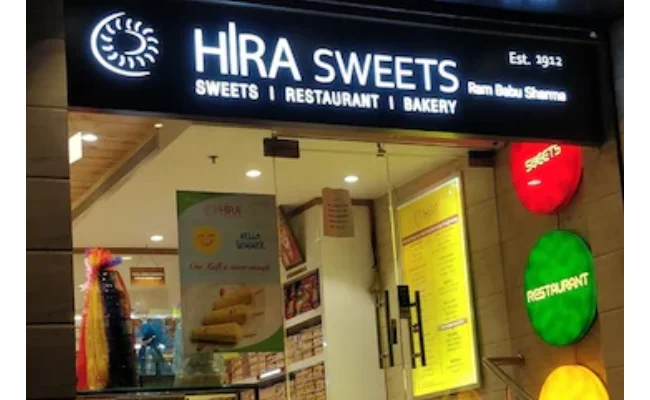
Hira Sweets follows a hybrid food retail model, combining:
- Retail Sweets & Snacks Stores
- Quick Service Restaurant (QSR) Format
- Dine-In Restaurant Model
- Bulk & Festival Orders
- Selective Franchise Expansion
This multi-layered approach allows Hira Sweets to earn money daily, seasonally, and in bulk, which is a big reason behind its stable cash flow.
- Retail Sweets & Namkeen – The Backbone of Revenue
The primary revenue driver for Hira Sweets is its sweets and namkeen business.
Why This Works So Well:
- Indian sweets have high emotional value
- Repeat purchases are common
- Shelf-stable products like namkeen improve margins
- Strong demand during festivals and family events
Popular Products Include:
- Kaju Katli
- Rasgulla
- Gulab Jamun
- Laddoos
- Soan Papdi
- Mixture, bhujia, and mathri
👉 Profit Margin Insight
Sweets and namkeen usually offer gross margins of 30%–45%, depending on raw material prices and wastage control.
- Fast Food & Chaat Counters – High Volume, Quick Money
Most Hira Sweets outlets include chaat and fast-food counters, serving items like:
- Chole Bhature
- Raj Kachori
- Pav Bhaji
- Dosa and Idli
- Samosa and Kachori
- Chinese snacks (noodles, Manchurian)
Why This Segment Is Important:
- High footfall
- Lower price points
- Faster table turnover
- Daily cash sales
Fast food may have slightly lower margins than sweets, but the volume compensates heavily, making it a reliable daily income source.
- Dine-In Restaurants – Premium Experience, Better Branding
Some Hira Sweets outlets operate as full-service vegetarian restaurants.
Benefits of Dine-In Model:
- Higher average bill value
- Family and group dining
- Strong brand recall
- Better positioning as a “complete food destination”
Even if dine-in margins are moderate, they play a huge role in brand perception and customer loyalty.
- Bulk Orders, Catering & Corporate Sales
This is an often underestimated but highly profitable segment.
Hira Sweets earns significant revenue from:
- Wedding orders
- Festival gift boxes
- Corporate gifting
- Party catering
- Religious and community events
Why Bulk Orders Matter:
- Predictable demand
- Lower marketing cost
- Large order value
- Advance payments
During festive seasons like Diwali, Raksha Bandhan, Holi, and weddings, this segment alone can contribute 20–30% of monthly revenue.
- Franchise Model – Asset-Light Expansion
Hira Sweets also operates on a selective franchise model, rather than aggressive franchising.
Key Franchise Characteristics:
- High initial investment
- Strict quality control
- Limited locations
- Brand-controlled operations
How Hira Sweets Makes Money from Franchising:
- Franchise fees of Hira Sweets
- Royalty on sales
- Supply of raw materials
- Brand licensing
This ensures steady income without heavy capital expenditure, while protecting brand quality.
Cost Structure of Hira Sweets
Understanding costs is crucial to understanding profits.
Major Cost Components:
- Raw Materials – Milk, sugar, dry fruits, oil
- Manpower – Halwais, kitchen staff, servers
- Rent – Prime locations increase cost
- Utilities – Electricity, refrigeration, gas
- Packaging – Especially for premium sweets
- Wastage Control – A critical factor
👉 Brands like Hira Sweets survive because they control wastage extremely well, which is a hidden profit lever in the sweets business.
Why Hira Sweets Is Profitable – Key Business Strengths
- Strong Brand Trust
Customers associate Hira Sweets with quality, hygiene, and taste.
- Daily Cash Flow Business
Food businesses generate instant cash, reducing credit risk.
- Diversified Revenue Streams
Even if one segment slows, others support the business.
- Cultural Relevance
Indian sweets are not optional products—they are part of rituals, celebrations, and emotions.
- Location Strategy
Most outlets are placed in high-footfall residential or commercial areas.
Challenges in the Hira Sweets Business Model
No business is perfect.
Key Challenges:
- Rising milk and dry fruit prices
- Skilled halwai dependency
- High real estate costs
- Competition from organized brands and local shops
- Shelf-life management
However, scale, brand power, and experience help Hira Sweets manage these risks better than smaller players.
Lessons for Aspiring Food Entrepreneurs
If you’re planning to enter the sweets or food business, Hira Sweets offers valuable lessons:
- Focus on quality consistency
- Control wastage aggressively
- Diversify revenue streams
- Don’t depend only on walk-in customers
- Festivals and bulk orders are goldmines
- Brand trust is more valuable than discounts
Final Thoughts
Hira Sweets is a classic example of how a traditional Indian food business can be transformed into a sustainable, scalable, and profitable brand. Its success is not accidental—it’s built on product quality, operational discipline, emotional connection with customers, and smart diversification.
In a country like India, where food is culture and sweets are celebration, Hira Sweets has mastered both taste and business.
If you’re studying Indian food brands or planning a similar venture, understanding the Hira Sweets business model is absolutely worth your time.