
In today’s digital economy, many successful companies are moving away from one-time sales and adopting a subscription business model. Instead of selling a product once, businesses charge customers a recurring fee—monthly, quarterly, or yearly—to access a product or service.
You might already be using several subscription services without even realizing it. Popular platforms like Netflix, Amazon (through Amazon Prime), and Spotify have made subscription models extremely popular across the world.
For entrepreneurs and startups, the subscription model has become one of the most powerful and predictable ways to build a sustainable business. In this article, we will understand what the subscription business model is, how it works, and how companies make money from it.
What is a Subscription Business Model?
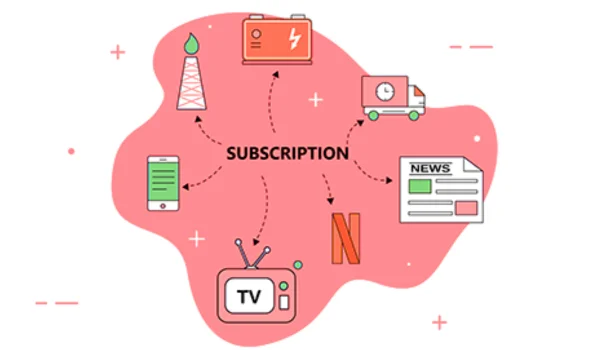
A subscription business model is a strategy where customers pay a recurring fee to access a product or service.
Instead of buying something once, customers continue paying regularly to keep using the service.
For example:
- Watching movies on Netflix requires a monthly subscription.
- Listening to ad-free music on Spotify requires a premium plan.
- Shopping benefits from Amazon Prime require an annual membership.
This model creates long-term relationships between businesses and customers.
Why Subscription Models Are Becoming Popular
Over the last decade, many companies have shifted toward subscription services. There are several reasons for this trend.
- Predictable Revenue
One of the biggest advantages is predictable income.
If a company has 10,000 subscribers paying ₹200 per month, it already knows that it will earn ₹20 lakh monthly revenue (before cancellations).
This financial predictability helps businesses plan growth and investments.
- Customer Retention
In a traditional business model, companies must constantly find new customers.
But in a subscription model, businesses focus more on retaining existing customers. As long as customers remain satisfied, they continue paying every month.
This builds long-term customer loyalty.
- Better Customer Experience
Subscription businesses usually provide continuous value.
Instead of selling a product and ending the relationship, companies keep improving their service to keep subscribers engaged.
For example, streaming platforms regularly add new movies, shows, and music to keep users interested.
Types of Subscription Business Models
Subscription businesses come in many forms. Let’s explore some of the most common types.
- Digital Content Subscription
This is one of the most popular subscription models.
Customers pay a monthly or yearly fee to access digital content such as:
- movies
- music
- online courses
- news websites
Examples include:
- Netflix for video streaming
- Spotify for music streaming
These platforms generate huge revenue by offering unlimited content access.
- Software as a Service (SaaS)
In this model, companies provide software through a subscription instead of selling it permanently.
Businesses and individuals pay monthly or yearly to use the software.
Examples include:
- Microsoft Office 365
- Adobe Creative Cloud
This model is extremely popular in the tech industry because it ensures continuous revenue and regular updates.
- Membership-Based Subscription
Some companies provide exclusive benefits through membership programs.
For example, Amazon offers Amazon Prime, which provides:
- faster delivery
- exclusive deals
- streaming services
Customers pay a yearly fee to access these benefits.
- Product Subscription
In this model, customers receive physical products regularly.
Examples include:
- monthly grooming kits
- coffee subscriptions
- snack boxes
- beauty product boxes
Customers love the convenience of receiving products automatically every month.
- Freemium Subscription Model
Many companies follow the freemium strategy.
In this model:
- Basic services are free.
- Premium features require a paid subscription.
For example:
- Spotify allows free music with ads but offers an ad-free premium plan.
This approach helps companies attract millions of users and convert some of them into paying customers.
How Subscription Businesses Make Money
Now let’s understand the main ways subscription businesses generate revenue.
- Recurring Subscription Fees
The primary revenue source is monthly or yearly subscription payments.
For example:
- ₹199 per month for a streaming service
- ₹999 per year for a membership plan
Even small subscription fees can generate massive revenue when millions of users subscribe.
- Premium Plans and Upgrades
Many companies offer multiple subscription tiers.
For example:
Basic Plan
Standard Plan
Premium Plan
Each plan offers additional features or benefits.
Customers who want better experiences upgrade to higher-priced plans, increasing revenue.
- Advertising Revenue
Some subscription businesses still earn money from advertisements.
For example:
Free users on Spotify hear ads between songs.
This means the company earns money from both advertisers and subscribers.
- Add-On Services
Companies also sell additional services or features.
For example:
- extra cloud storage
- premium content
- additional user accounts
These add-ons increase the average revenue per customer.
- Data Insights and Partnerships
Large subscription platforms collect valuable user behavior data.
This data helps companies:
- improve recommendations
- partner with brands
- create targeted marketing campaigns
Some companies earn extra revenue through brand collaborations and partnerships.
Advantages of the Subscription Business Model
The subscription model offers several advantages for businesses.
Stable Cash Flow
Regular monthly payments provide consistent income.
Higher Customer Lifetime Value
A subscriber who stays for years generates more revenue than a one-time buyer.
Strong Customer Relationships
Continuous interaction builds brand loyalty.
Easier Business Forecasting
Predictable revenue helps businesses plan expansion and investments.
Challenges of the Subscription Model
Despite its advantages, the subscription model also has challenges.
Customer Churn
If customers cancel subscriptions, revenue drops. Businesses must constantly provide value to prevent cancellations.
High Customer Acquisition Cost
Companies often spend heavily on marketing to attract subscribers.
Content or Product Updates
Subscription businesses must continuously improve their offerings to keep customers engaged.
Examples of Subscription Businesses in India
The subscription model is growing rapidly in India.
Popular examples include:
- Netflix for entertainment
- Amazon Prime for shopping and streaming
- Spotify for music
Even Indian startups are adopting subscription models in areas like:
- online education
- fitness apps
- software tools
- digital news platforms
Future of Subscription Businesses
The subscription economy is expected to grow significantly in the coming years.
With increasing smartphone usage and digital payments, more industries are adopting subscription models, including:
- education
- health and fitness
- software tools
- digital content
Experts believe that many traditional businesses will eventually move toward subscription services because of their stable revenue potential.
Final Thoughts
The subscription business model has become one of the most powerful strategies in modern business.
Instead of relying on one-time purchases, companies build long-term relationships with customers through recurring payments.
Businesses make money through subscription fees, premium upgrades, advertising, add-on services, and partnerships.
For entrepreneurs, the subscription model offers a valuable lesson: if you can provide continuous value to customers, they are willing to pay regularly.
In a world where convenience and digital services are growing rapidly, subscription businesses will continue to shape the future of the global economy.