
The branded innerwear and athleisure market in India has grown massively over the past decade. Rising fashion awareness, increasing disposable income, and demand for premium comfort wear have made branded clothing businesses highly profitable. One of the biggest names in this sector is Jockey India.
Known for quality products, strong brand loyalty, and nationwide presence, Jockey has become a preferred choice for entrepreneurs looking to invest in the retail franchise business.
If you are planning to open a branded apparel store, understanding the Jockey franchise cost, investment structure, profit margin, requirements, and application process is very important before investing.
In this detailed guide, you will learn everything about starting a Jockey franchise business in India.
About Jockey India
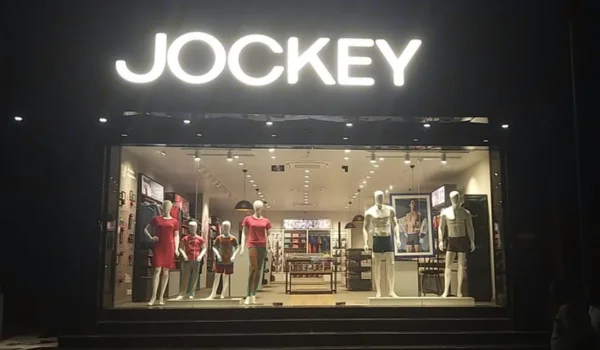
Jockey India operates in India through Page Industries Limited, which is the official licensee of the global Jockey brand.
The company is widely known for:
- Men’s innerwear
- Women’s innerwear
- Kidswear
- Athleisure products
- Lounge wear
- Sportswear
- Socks and accessories
Jockey stores are popular because of:
- Strong product quality
- Premium branding
- Comfortable fabric
- High repeat customer demand
Today, the brand has hundreds of exclusive brand outlets (EBOs) across India.
Jockey Franchise Cost in India
Opening a Jockey store requires a moderate to high investment depending on:
- City category
- Store size
- Location
- Inventory requirement
- Interior quality
On average, the total investment can range between:
| Expense Type | Estimated Cost |
| Franchise/Brand Security Deposit | ₹3 lakh – ₹10 lakh |
| Store Interiors | ₹8 lakh – ₹20 lakh |
| Initial Inventory/Stock | ₹10 lakh – ₹25 lakh |
| Furniture & Fixtures | ₹3 lakh – ₹8 lakh |
| Rent Deposit | ₹3 lakh – ₹15 lakh |
| Billing & Software Setup | ₹50,000 – ₹2 lakh |
| Staff Hiring & Training | ₹1 lakh – ₹3 lakh |
| Marketing & Launch | ₹1 lakh – ₹3 lakh |
| Working Capital | ₹3 lakh – ₹8 lakh |
Total Estimated Investment
₹30 lakh to ₹80 lakh+
In premium malls and metro cities, the investment may cross ₹1 crore.
Space Requirement for Jockey Franchise
The company generally prefers spacious retail locations with good visibility.
| Store Type | Area Required |
| Small Format Store | 500–700 sq. ft. |
| Standard Store | 800–1500 sq. ft. |
| Premium Outlet | 1500–2500 sq. ft. |
Best Locations for Jockey Store
Choosing the right location is one of the biggest factors behind success.
Ideal Locations Include:
- Shopping malls
- High street retail markets
- Commercial complexes
- Premium residential areas
- Metro city shopping zones
- Tier 2 city main markets
The brand generally prefers locations with:
- Strong footfall
- Good frontage visibility
- Parking availability
- Branded retail surroundings
Jockey Franchise Profit Margin
The apparel business can generate attractive profits when managed efficiently.
Average Monthly Revenue
| Store Type | Estimated Monthly Revenue |
| Small Store | ₹5 lakh – ₹10 lakh |
| Medium Store | ₹10 lakh – ₹20 lakh |
| Large Store | ₹20 lakh – ₹40 lakh+ |
Profit Margin
The average retail profit margin in branded apparel stores can range between:
15% to 35%
Profit depends on:
- Inventory management
- Rent cost
- Customer footfall
- Seasonal sales
- Product mix
- Store location
A successful store in a prime location may recover the investment within 2–4 years.
Why Jockey Franchise Is Popular in India
Strong Brand Trust
Customers already know and trust the Jockey brand.
High Repeat Purchases
Innerwear and daily wear products generate recurring customers.
Growing Athleisure Market
Demand for comfortable and casual clothing is increasing rapidly.
Wide Customer Base
The brand targets:
- Men
- Women
- Children
- Fitness enthusiasts
Nationwide Popularity
Jockey products are popular in both metro and Tier 2 cities.
Products Sold in Jockey Stores
One major advantage is product diversity.
Product Categories Include:
- Briefs and trunks
- Vests
- Bras
- Panties
- Sportswear
- T-shirts
- Lounge wear
- Activewear
- Socks
- Thermals
- Kidswear
The company regularly launches new collections and seasonal products.
Franchise Support Provided by the Company
One of the major benefits of taking a franchise from Jockey India is professional operational support.
- Store Design Assistance
The company may help with:
- Store layout
- Branding setup
- Interior guidelines
- Visual merchandising
- Inventory Support
The company usually provides:
- Product supply systems
- Stock management guidance
- Product assortment planning
- Staff Training
Training may include:
- Customer service
- Product knowledge
- Billing systems
- Sales techniques
- Marketing Support
The brand may support through:
- National campaigns
- Seasonal promotions
- Branding materials
- Digital marketing initiatives
- Operational Guidance
Franchise owners may receive:
- SOPs
- Retail management support
- Sales performance guidance
- Software assistance
Royalty Fees and Revenue Sharing
The franchise model may include:
- Revenue sharing
- Margin-based earnings
- Branding charges
- Inventory purchase commitments
The exact financial arrangement depends on the agreement and business model.
Documents Required for Jockey Franchise
You may need the following documents:
| Document | Purpose |
| PAN Card | Identity & taxation |
| Aadhaar Card | Identity proof |
| GST Registration | Tax compliance |
| Bank Statements | Financial verification |
| Shop Agreement | Property proof |
| Business Registration | Legal operation |
| Passport-size Photos | Application process |
Additional documents may also be required depending on the city and business structure.
Eligibility Criteria for Franchise Owners
The company generally prefers applicants who:
- Have retail business interest
- Can invest required capital
- Own or lease a good commercial property
- Understand customer service
- Can manage daily retail operations
Previous fashion retail experience can be beneficial but may not always be mandatory.
Staff Requirement for Jockey Store
A standard store may require:
- Sales executives
- Cashier
- Store manager
- Inventory handler
- Housekeeping staff
Customer interaction quality is extremely important in branded retail stores.
Challenges in Jockey Franchise Business
Like every business, this franchise also has challenges.
High Rental Costs
Premium retail locations can significantly increase expenses.
Inventory Management
Fashion retail businesses require proper stock planning.
Seasonal Sales Fluctuation
Festive seasons usually perform better than normal months.
Competition
The market has strong competition from:
- Local innerwear brands
- International apparel companies
- E-commerce platforms
Customer Expectations
Customers expect premium service because of the brand reputation.
How to Apply for Jockey Franchise in India
Step 1: Visit Official Website
Visit the official website of Jockey India or Page Industries Limited.
Step 2: Submit Franchise Inquiry
You may need to provide:
- Name
- Contact details
- City
- Store location details
- Investment capacity
Step 3: Business Discussion
The company may discuss:
- Investment expectations
- Retail format
- Business potential
- Store feasibility
Step 4: Site Evaluation
The proposed location is usually evaluated for:
- Footfall
- Accessibility
- Market demand
- Nearby competition
Step 5: Agreement Signing
Once approved, the franchise agreement is signed.
Step 6: Store Setup and Launch
This generally includes:
- Interior work
- Stock supply
- Staff training
- Branding setup
- Grand opening
Tips to Make Jockey Franchise Successful
Choose a Prime Retail Location
Visibility and footfall are extremely important.
Maintain Inventory Smartly
Keep fast-moving products always in stock.
Focus on Customer Experience
Good service increases repeat customers.
Use Local Marketing
Festive offers and local advertising can boost sales.
Train Staff Properly
Knowledgeable staff can improve conversion rates.
Is Jockey Franchise Profitable?
Yes, a Jockey franchise can be profitable because:
- The brand already has strong demand
- Products generate repeat purchases
- India’s apparel market is growing rapidly
- Athleisure demand is increasing
However, profitability depends heavily on:
- Location quality
- Inventory planning
- Rent management
- Customer service
- Operational efficiency
A well-managed store in a high-footfall area can generate strong long-term returns.
Jockey Franchise vs Local Apparel Store
| Factor | Jockey Franchise | Local Apparel Store |
| Brand Recognition | High | Low initially |
| Customer Trust | Strong | Needs time |
| Product Quality | Standardized | Variable |
| Marketing Support | Available | Self-managed |
| Investment | Higher | Lower |
| Business Risk | Moderate | Moderate to High |
Future of Branded Apparel Franchise Business in India
The Indian apparel and athleisure market is expected to grow strongly because of:
- Rising disposable income
- Fashion awareness
- Fitness trends
- Urban lifestyle changes
- Growth of premium innerwear demand
Branded retail businesses continue to attract entrepreneurs because of stable consumer demand.
Final Verdict
Starting a Jockey India franchise can be a good opportunity for investors who want to enter India’s growing apparel retail industry.
The estimated investment generally starts from around ₹30 lakh and may go beyond ₹80 lakh depending on location and store size. In return, franchise owners get the advantage of an established brand, professional retail support, inventory systems, and marketing assistance.
Before investing, carefully evaluate:
- Your budget
- Store location
- Market competition
- Rental costs
- Customer demand
A well-located and professionally managed store can become a profitable long-term retail business.
FAQs About Jockey Franchise Cost
- What is the minimum investment for Jockey franchise?
The investment generally starts from around ₹30 lakh depending on location and store format.
- Is Jockey franchise profitable?
Yes, stores in good retail locations can generate attractive long-term profits.
- How much space is required for a Jockey store?
Usually around 500–1500 sq. ft. depending on the outlet type.
- Does the company provide inventory support?
Yes, the company generally provides product supply and inventory guidance.
- How long does it take to recover the investment?
Many successful stores may recover investment within 2–4 years depending on sales performance and operational management.
 Akshay Kumar