
When we talk about successful Indian apparel brands that have grown steadily without burning cash like many startups, Cantabil Retail India Ltd. deserves a special mention. Unlike flashy fast-fashion brands that depend heavily on discounts and heavy advertising, Cantabil has built its business on value pricing, wide product range, and strong control over its supply chain.
As a business expert, I find Cantabil interesting because it represents a sustainable Indian retail model—focused on profitability, not hype. In this article, let’s deeply understand Cantabil’s business model, revenue streams, cost structure, and how exactly it makes money in the competitive Indian apparel market.
Overview of Cantabil Retail India Ltd.
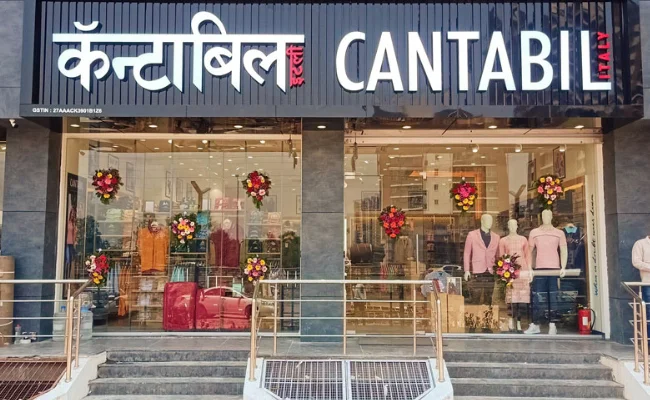
Cantabil was founded in 2000 and started as a menswear brand. Over time, it expanded into women’s wear, kids’ wear, accessories, and athleisure, becoming a complete family fashion brand.
Today, Cantabil operates through:
- Exclusive Brand Outlets (EBOs)
- Franchise stores
- Multi-brand outlets (MBOs)
- Online platforms (own website + marketplaces)
Its presence is strongest in Tier-2 and Tier-3 cities, where price sensitivity is high but brand aspiration is growing rapidly.
Core Philosophy of Cantabil’s Business Model
Cantabil follows a “value-for-money fashion” strategy. The company focuses on:
- Mid-range pricing
- Frequent new designs
- Control over manufacturing
- High inventory turnover
- Strong franchise partnerships
This model allows Cantabil to generate consistent cash flow without excessive dependency on external funding.
- Product-Based Revenue Model
The primary source of income for Cantabil is the sale of apparel and accessories.
Product Categories:
- Men’s formal wear (shirts, trousers, suits)
- Casual wear & ethnic wear
- Women’s wear
- Kids’ clothing
- Winter wear & accessories
Each category contributes to diversified revenue, which reduces dependency on a single product line.
Key insight:
Menswear still contributes the largest share, but women’s and kids’ wear are fast-growing segments with higher repeat purchases.
- Vertical Integration: A Major Profit Driver
One of Cantabil’s biggest strengths is vertical integration.
What does this mean?
Cantabil controls:
- Fabric sourcing
- Manufacturing
- Branding
- Retail distribution
Because of this:
- Middlemen margins are eliminated
- Production cost remains low
- Pricing remains competitive
- Gross margins improve
This is one reason Cantabil can offer branded clothing at lower prices compared to international brands.
- Franchise-Led Expansion Model
Cantabil does not open all stores itself. A significant number of outlets operate on a franchise model.
How this helps Cantabil:
- Low capital expenditure
- Faster expansion
- Reduced operational risk
- Guaranteed product off-take
How Cantabil earns from franchises:
- Margin on product supply
- Minimum purchase commitments
- Shared marketing efforts
This model allows Cantabil to grow its footprint without overburdening its balance sheet.
- Exclusive Brand Outlets (EBOs)
Cantabil also runs company-owned stores in prime locations.
Why EBOs matter:
- Higher profit margins than franchise stores
- Full control over branding and customer experience
- Direct customer feedback
EBOs act as brand-building centers, while franchise stores focus more on volume.
- Multi-Brand Outlet (MBO) Sales
Cantabil products are also sold through multi-brand retail stores.
Benefits:
- Wider reach without store investment
- Access to customers who prefer multi-brand shopping
- Volume-based sales
Although margins are lower than EBOs, MBOs help in inventory movement and brand visibility.
- Online Sales & Omnichannel Presence
Cantabil has adapted well to digital transformation.
Online revenue comes from:
- Official website
- Marketplaces like Amazon, Flipkart, Myntra
Online sales:
- Improve brand reach
- Help clear seasonal inventory
- Provide customer data insights
While online margins are slightly lower due to commissions, scale and reach compensate for it.
- Fast Inventory Turnover Strategy
Unlike luxury brands that rely on slow fashion, Cantabil focuses on fast-moving designs.
Strategy includes:
- Frequent new collections
- Limited batch production
- Regional demand-based designs
This reduces:
- Dead stock
- Heavy discounting
- Warehousing costs
Fast inventory turnover is a hidden profit booster in the apparel business.
- Cost Structure & Expense Control
Cantabil keeps costs under control through:
- In-house manufacturing
- Limited celebrity endorsements
- Focus on regional marketing
- Efficient logistics
Instead of spending heavily on influencers, Cantabil relies on:
- Store visibility
- Seasonal offers
- Word-of-mouth in local markets
This conservative cost approach helps maintain healthy operating margins.
- Seasonal Discounting & Sales Events
Discounts are used strategically, not aggressively.
Cantabil conducts:
- End-of-season sales
- Festive offers
- Bundle pricing
These offers help:
- Clear inventory
- Improve cash flow
- Increase footfall
Importantly, Cantabil avoids year-round discounting, which protects brand value.
- Target Customer Segment
Cantabil clearly understands its audience.
Core customers:
- Middle-class Indian families
- Age group 25–45
- Value-conscious but brand-aware buyers
By targeting this segment, Cantabil taps into India’s largest consumption base, which ensures consistent demand even during economic slowdowns.
How Does Cantabil Make Money? (Summary)
Cantabil earns money through:
- Retail sale of apparel
- Franchise product supply margins
- Company-owned store profits
- Online and omnichannel sales
- Efficient cost management
- High inventory turnover
The key to Cantabil’s profitability lies in selling more units at controlled margins, rather than chasing luxury-level markups.
Challenges in Cantabil’s Business Model
No business model is perfect.
Key challenges:
- Intense competition from fast fashion brands
- Rising input costs
- Changing fashion trends
- Online price wars
However, Cantabil’s diversified channels and conservative expansion strategy help mitigate these risks.
Why Cantabil’s Business Model Works in India
From a business perspective, Cantabil is a textbook example of a scalable Indian retail brand.
- Strong fundamentals
- Controlled growth
- Deep understanding of Indian consumers
- Focus on profitability, not just valuation
For aspiring entrepreneurs and investors, Cantabil proves that you don’t need to be premium or ultra-cheap—being “value-smart” is enough to win in India.
Final Thoughts
Cantabil’s business model is not glamorous, but it is robust, practical, and India-centric. Its success comes from discipline, not disruption. In an era where many retail brands struggle to stay profitable, Cantabil stands as a reminder that good old business basics still work.
If you’re studying Indian retail, franchise businesses, or apparel economics, Cantabil is definitely a brand worth learning from.