
India’s electric vehicle (EV) industry is growing rapidly. Rising fuel prices, government incentives, environmental awareness, and increasing EV adoption have created strong demand for charging infrastructure across the country. Because of this trend, many entrepreneurs are now exploring EV charging station businesses as a future-focused investment opportunity.
One of the leading names in this sector is Tata Power. The company has built a large EV charging network in India and continues expanding aggressively. As a result, many investors want to know the Tata Power EV charging station franchise cost, expected profits, setup requirements, and business model details.
If you are planning to enter the EV infrastructure business, this detailed guide covers investment cost, franchise fee, ROI, space requirements, support, risks, eligibility, and other important information.
About Tata Power EV Charging Business
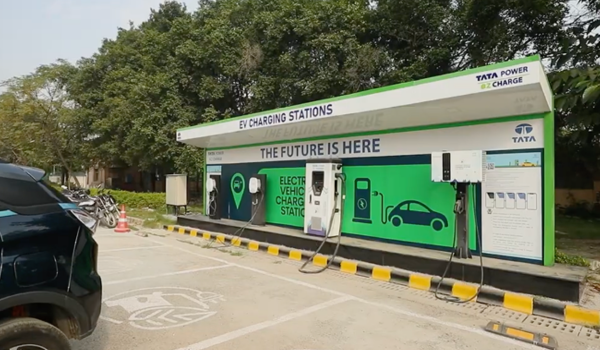
Tata Power is one of India’s largest integrated power companies. Through its EV charging division, the company has expanded into public and private charging infrastructure for electric vehicles.
The company provides:
- Public EV charging stations
- Home charging solutions
- Commercial charging infrastructure
- Fleet charging solutions
- Highway charging networks
Its charging network supports multiple EV brands and vehicle categories.
The rapid growth of electric vehicles from companies like:
- Tata Motors
- MG Motor India
- Mahindra Electric
has increased demand for charging stations across India.
Does Tata Power Offer EV Charging Franchise Opportunities?
Tata Power generally works through partnership and infrastructure collaboration models rather than traditional retail-style franchising.
These opportunities may include:
- Public charging station partnerships
- Commercial property collaborations
- Fleet charging infrastructure
- Dealership charging setups
- Highway charging partnerships
Business models may vary based on:
- Location
- Power availability
- Charging demand
- Investment capability
Entrepreneurs should always verify opportunities through official company channels.
Tata Power EV Charging Station Franchise Cost in India
The total investment depends heavily on:
- Charger type
- Charging speed
- Number of chargers
- Land ownership
- Electrical infrastructure
- Transformer requirements
Fast DC charging stations are significantly more expensive than basic AC charging points.
Estimated Investment Breakdown
| Expense Category | Estimated Cost (INR) |
| Franchise/Partnership Fee | ₹50,000 – ₹5 lakh |
| EV Chargers | ₹2 lakh – ₹40 lakh |
| Electrical Infrastructure | ₹2 lakh – ₹15 lakh |
| Transformer Setup | ₹3 lakh – ₹20 lakh |
| Civil Work & Installation | ₹1 lakh – ₹10 lakh |
| Land/Property Cost | Variable |
| Licensing & Approvals | ₹50,000 – ₹3 lakh |
| Software & Networking | ₹50,000 – ₹2 lakh |
| Branding & Signage | ₹50,000 – ₹2 lakh |
| Working Capital | ₹2 lakh – ₹10 lakh |
Total Estimated Investment
Approximate Investment by Charger Type
| Charging Setup | Estimated Investment |
| Basic AC Charger Setup | ₹5 lakh – ₹10 lakh |
| Small Commercial Station | ₹10 lakh – ₹25 lakh |
| DC Fast Charging Station | ₹25 lakh – ₹1 crore+ |
| Multi-Charger Highway Station | ₹1 crore – ₹5 crore+ |
The biggest cost factor is usually high-capacity fast charging infrastructure.
Franchise Fee and Royalty Charges
The EV charging business model may not always follow traditional franchise structures.
Possible Franchise or Partnership Fee
Estimated range:
- ₹50,000 to ₹5 lakh
Royalty Charges
In some partnership models, revenue sharing may apply instead of royalty fees.
Possible structures include:
| Charge Type | Possible Range |
| Revenue Sharing | Percentage-based |
| Software Fee | Monthly/annual |
| Maintenance Charges | Additional |
| Branding Charges | Possible |
The exact commercial structure depends on the agreement.
Space Requirements for EV Charging Station
Space needs depend on the number of charging points and vehicle movement area.
Recommended Space Requirement
| Station Type | Approximate Space |
| Small Charging Point | 300 – 500 sq. ft. |
| Standard Charging Station | 1000 – 3000 sq. ft. |
| Highway Charging Hub | 5000 – 20000+ sq. ft. |
Ideal Locations for EV Charging Stations
Location plays a major role in charging station profitability.
Best Locations Include:
- Highways
- Shopping malls
- Commercial complexes
- Residential societies
- Petrol pumps
- Parking lots
- IT parks
- Metro cities
- Fleet operation zones
High vehicle movement is extremely important.
Manpower Requirements
EV charging stations generally require fewer employees compared to restaurants or retail stores.
Typical Staff Requirement
| Position | Employees Needed |
| Station Operator | 1 – 2 |
| Maintenance Technician | 1 |
| Security Staff | 1 – 2 |
| Customer Support Staff | Optional |
Small automated charging stations may operate with minimal manpower.
Profit Margin in EV Charging Station Business
The EV charging business is still evolving in India, so profitability varies greatly by location and usage.
Estimated Net Margin
Net margins may range between:
- 10% to 25%
However, profitability depends on:
- Daily charging volume
- Electricity tariff
- Charger utilization
- Maintenance costs
- Land ownership
- Power infrastructure expenses
Return on Investment (ROI)
ROI depends heavily on EV adoption in the local area.
Approximate Revenue Estimate
| Business Metric | Approximate Range |
| Daily Charging Sessions | 10 – 200+ |
| Average Revenue Per Charge | ₹150 – ₹1500 |
| Monthly Revenue | ₹1 lakh – ₹30 lakh+ |
Estimated Payback Period
Investment recovery may take approximately:
- 3 to 7 years
Highway fast-charging stations may require longer recovery periods because of heavy infrastructure costs.
Franchisor Support Provided
One major advantage of partnering with a large energy company is technical and operational support.
Common Support Areas
- Charger Installation Support
The company may assist with:
- Charger selection
- Site assessment
- Electrical planning
- Installation guidance
- Technology Platform Access
Charging businesses require:
- Mobile app integration
- Payment systems
- Remote monitoring
- Usage analytics
- Branding Support
The company may provide:
- Branding materials
- Station signage
- Customer awareness campaigns
- Technical Training
Training may include:
- Charger operation
- Safety procedures
- Troubleshooting
- Customer handling
- Maintenance Support
Technical maintenance is critical for uptime and customer trust.
Eligibility Criteria for Tata Power EV Charging Partnership
The company may prefer financially capable and operationally reliable partners.
Basic Eligibility Requirements
Applicants may need:
- Commercial property access
- Strong electrical infrastructure
- Investment capability
- Business management skills
- Long-term business interest
Prior infrastructure or energy sector experience can be helpful.
Documents Required
Setting up an EV charging station involves multiple approvals and documents.
Commonly Required Documents
| Document | Purpose |
| PAN Card | Tax identification |
| Aadhaar Card | Identity proof |
| GST Registration | Business taxation |
| Property Ownership/Lease Papers | Site verification |
| Electricity Connection Documents | Power approval |
| Business Registration | Legal operation |
| NOC from Authorities | Local approvals |
| Bank Statements | Financial capability |
| Electrical Safety Certificates | Compliance |
Requirements may vary by state and electricity board regulations.
Step-by-Step Application Process
Step 1: Business Inquiry
Contact the company through official business channels.
Step 2: Site Assessment
The company evaluates:
- Location
- EV demand
- Electrical load capacity
- Accessibility
Step 3: Financial Evaluation
Investment capability and project viability are reviewed.
Step 4: Agreement Process
The agreement may include:
- Revenue-sharing model
- Branding rights
- Operational responsibilities
- Maintenance obligations
Step 5: Infrastructure Setup
This stage includes:
- Civil work
- Electrical installation
- Charger deployment
- Software integration
Step 6: Testing & Launch
The station is tested before becoming operational.
Advantages of Starting a Tata Power EV Charging Station
- Growing EV Market
India’s electric vehicle industry is expanding rapidly.
- Future-Focused Business
Charging infrastructure demand is expected to increase over time.
- Government EV Push
Government incentives support EV ecosystem growth.
- Low Daily Inventory Requirement
Unlike retail businesses, charging stations do not require inventory management.
- Strong Brand Trust
Tata Power has strong credibility in India’s energy sector.
Risks and Challenges
The EV charging industry also carries important risks.
- High Initial Infrastructure Cost
Fast charging stations require heavy investment.
- Slow EV Adoption in Some Areas
Demand may still be limited in smaller towns.
- Electricity Infrastructure Challenges
Power load availability can become a major issue.
- Technology Changes
Charging technology may evolve rapidly over time.
- Maintenance Costs
Fast chargers require regular technical maintenance.
- Competition
Competition may increase from companies such as:
- ChargeZone
- Ather Energy
- Statiq
Important Tips Before Investing
Choose High-Traffic Locations
Vehicle movement is critical for charging utilization.
Understand Electricity Costs
Power tariffs significantly impact profitability.
Study Local EV Adoption
Areas with higher EV ownership offer better business potential.
Focus on Fast Charging Demand
Fast charging stations may attract more customers in commercial locations.
Plan Long-Term Investment
The EV infrastructure business may take time to mature.
Is Tata Power EV Charging Station Business Profitable?
The EV charging business has strong long-term potential because electric vehicle adoption in India continues increasing steadily.
However, this industry is still developing, and profitability depends heavily on:
- Location quality
- EV traffic
- Charger utilization
- Infrastructure costs
- Power availability
Entrepreneurs should approach this as a long-term infrastructure business rather than expecting very quick profits.
Frequently Asked Questions (FAQs)
Q: How much does a Tata Power EV charging station cost in India?
A: Investment may range from ₹5 lakh to ₹5 crore+ depending on charger type and infrastructure scale.
Q: Does Tata Power offer franchise opportunities?
A: The company generally offers partnership and infrastructure collaboration models instead of traditional retail franchises.
Q: What is the expected profit margin?
A: Net margins may range between 10% and 25% depending on charging usage and operational costs.
Q: How much space is required?
A: Charging stations may require 300 sq. ft. to 20000+ sq. ft. depending on setup size.
Q: Is land ownership necessary?
A: Not always, but long-term commercial property access is important.
Q: How long does ROI take?
A: Investment recovery may take approximately 3 to 7 years.
Q: Are government approvals required?
A: Yes, electrical and local authority approvals are generally required.
Conclusion
Tata Power has become one of India’s leading EV charging infrastructure providers at a time when the electric mobility sector is growing rapidly. This expansion has created new business opportunities for entrepreneurs interested in future-focused infrastructure investments.
Compared to traditional retail or restaurant businesses, EV charging stations involve more technical and infrastructure-related planning. While the long-term potential is strong, profitability depends heavily on location selection, charger utilization, electricity management, and local EV adoption rates.
Before investing, entrepreneurs should carefully study market demand, understand infrastructure costs, verify official partnership opportunities, and plan finances realistically. With proper execution and long-term planning, EV charging infrastructure can become a promising business opportunity in India’s evolving electric mobility ecosystem.