
The quick-service restaurant (QSR) industry in India has seen massive growth over the last decade. Changing lifestyles, increasing urbanization, online food delivery, and rising demand for international food brands have created strong opportunities in the pizza business. Among the biggest names in this category is Pizza Hut.
Many entrepreneurs want to know the Pizza Hut franchise cost in India because the brand already has strong customer recognition and a large market presence. However, opening a Pizza Hut outlet requires substantial investment, operational commitment, and long-term planning.
In this detailed guide, you will learn about Pizza Hut franchise investment, franchise fees, profit margins, ROI, space requirements, staff needs, application process, risks, and everything else needed before starting this business in India.
About Pizza Hut in India
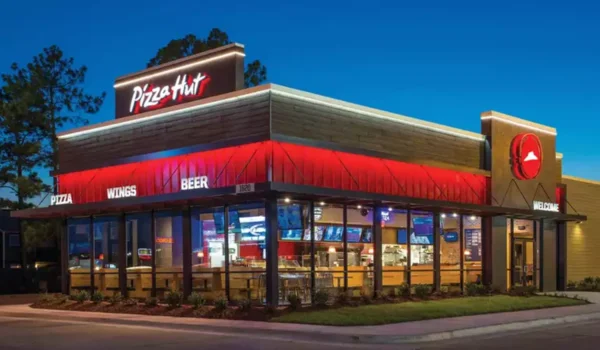
Pizza Hut is one of the world’s most recognized pizza restaurant brands. The company operates dine-in restaurants, delivery outlets, and express formats across India.
The brand is popular for:
- Pizzas
- Garlic bread
- Pasta
- Desserts
- Beverages
- Combo meals
Pizza Hut has a strong presence in:
- Metro cities
- Tier-2 cities
- Shopping malls
- High streets
- Food courts
The company benefits from India’s growing food delivery culture through platforms like:
- Zomato
- Swiggy
Pizza Hut Franchise Cost in India
Starting a Pizza Hut franchise requires a comparatively large investment because of:
- Premium brand standards
- Interior requirements
- Kitchen setup
- Technology systems
- Real estate costs
The total investment varies depending on the outlet format and location.
Estimated Investment Breakdown
| Expense Category | Estimated Cost (INR) |
| Franchise Fee | ₹10 lakh – ₹25 lakh |
| Interior & Store Setup | ₹20 lakh – ₹60 lakh |
| Kitchen Equipment | ₹15 lakh – ₹35 lakh |
| Furniture & Branding | ₹10 lakh – ₹25 lakh |
| Security Deposit | ₹5 lakh – ₹20 lakh |
| Licenses & Registrations | ₹1 lakh – ₹3 lakh |
| Initial Inventory | ₹2 lakh – ₹5 lakh |
| Staff Recruitment & Training | ₹2 lakh – ₹5 lakh |
| Technology & POS Systems | ₹2 lakh – ₹6 lakh |
| Marketing & Launch | ₹2 lakh – ₹10 lakh |
| Working Capital | ₹10 lakh – ₹25 lakh |
Total Estimated Investment
Approximate Investment by Format
| Outlet Type | Estimated Investment |
| Delivery Outlet | ₹60 lakh – ₹1.2 crore |
| Express Outlet | ₹80 lakh – ₹1.5 crore |
| Full Dine-In Restaurant | ₹1.5 crore – ₹3 crore+ |
The biggest cost factors are usually:
- Location rent
- Store size
- Interior quality
- Kitchen infrastructure
Prime metro city locations may require significantly higher investment.
Franchise Fee and Royalty Charges
Pizza Hut franchise owners generally pay both an initial franchise fee and ongoing royalty charges.
Franchise Fee
The upfront franchise fee is estimated around:
- ₹10 lakh to ₹25 lakh
This amount varies depending on outlet format and agreement structure.
Royalty Charges
Most international QSR chains charge royalty on monthly sales.
Typical charges may include:
| Charge Type | Estimated Range |
| Royalty Fee | 5% – 7% of sales |
| Marketing Contribution | 2% – 5% |
| Technology/Support Fee | Additional charges possible |
Always review the franchise agreement carefully before investing.
Space Requirements for Pizza Hut Franchise
Pizza Hut outlets require larger commercial spaces compared to smaller café or kiosk businesses.
Recommended Space
| Outlet Type | Space Requirement |
| Delivery Outlet | 800 – 1500 sq. ft. |
| Express Outlet | 1000 – 1800 sq. ft. |
| Full Dine-In Restaurant | 2000 – 5000 sq. ft. |
Ideal Locations
Pizza Hut outlets perform better in:
- High streets
- Shopping malls
- Commercial zones
- Family dining areas
- IT hubs
- Premium residential neighborhoods
Visibility and parking availability are important factors.
Manpower Requirements
A Pizza Hut restaurant needs a larger workforce than small food franchises.
Typical Staff Requirement
| Position | Number of Employees |
| Restaurant Manager | 1 |
| Kitchen Staff | 4 – 10 |
| Counter Staff | 2 – 5 |
| Delivery Staff | 2 – 10 |
| Cleaning Staff | 1 – 3 |
| Supervisors | 1 – 2 |
A full dine-in outlet may require:
- 15 to 30 employees
Labour cost management becomes very important for profitability.
Profit Margin in Pizza Hut Franchise
The pizza business generally offers decent gross margins, but operating expenses are also high.
Gross Margin
Gross margin in pizza businesses may range between:
- 55% to 70%
However, large expenses reduce net profitability.
Net Profit Margin
A well-managed Pizza Hut outlet may achieve:
- 10% to 18% net profit margin
This depends on:
- Rent
- Food costs
- Employee salaries
- Delivery expenses
- Utility bills
- Royalty payments
Performance can vary significantly by city and location.
Return on Investment (ROI)
Because Pizza Hut requires high investment, ROI usually takes time.
Sample Monthly Revenue Estimate
| Metric | Approximate Range |
| Average Daily Orders | 150 – 500 |
| Average Order Value | ₹350 – ₹700 |
| Estimated Monthly Sales | ₹15 lakh – ₹60 lakh |
Estimated Payback Period
Most successful outlets may recover investment within:
- 3 to 6 years
This is only a broad estimate, not a guaranteed return.
Franchisor Support Provided
One of the biggest advantages of joining a global QSR brand is strong operational support.
Common Support Areas
- Site Selection Assistance
The company may help evaluate:
- Customer footfall
- Accessibility
- Competition
- Demographics
- Parking facilities
- Store Design & Construction Support
The franchisor generally provides:
- Standardized layouts
- Kitchen planning
- Branding guidelines
- Interior specifications
- Staff Training
Training may include:
- Pizza preparation
- Food safety
- Customer service
- Inventory management
- Billing software usage
- Marketing Support
The company may run:
- National advertising campaigns
- App promotions
- Festival offers
- Digital marketing campaigns
This helps franchisees attract customers more easily.
- Technology Systems
Support often includes:
- POS systems
- Inventory software
- Delivery management
- Online ordering integration
Eligibility Criteria for Pizza Hut Franchise
Pizza Hut generally prefers experienced and financially strong franchise partners.
Basic Eligibility Requirements
Applicants may need:
- Strong financial capability
- Commercial property access
- Business management skills
- Ability to manage large teams
- Long-term business commitment
Prior restaurant or retail experience can be highly beneficial.
Documents Required
The documentation process is usually extensive due to the large investment involved.
Commonly Required Documents
| Document | Purpose |
| PAN Card | Tax identification |
| Aadhaar Card | Identity proof |
| Address Proof | Residential verification |
| GST Registration | Business tax compliance |
| Bank Statements | Financial capability |
| Income Tax Returns | Financial history |
| Property Documents | Location verification |
| Business Registration | Legal compliance |
| Passport Photos | Documentation |
The franchisor may also request net worth proof and business references.
Step-by-Step Application Process
Step 1: Franchise Inquiry
You contact the company through:
- Official website
- Franchise portals
- Business consultants
Step 2: Financial Evaluation
The company checks:
- Investment capacity
- Business background
- Credit profile
Step 3: Location Discussion
The proposed outlet location is analyzed for:
- Customer potential
- Visibility
- Competition
- Accessibility
Step 4: Franchise Agreement
The agreement includes:
- Royalty terms
- Territory rights
- Brand usage policies
- Operational standards
Always review legal documents carefully.
Step 5: Outlet Development
This stage includes:
- Construction
- Equipment installation
- Branding
- Staff hiring
Step 6: Training & Launch
The restaurant team is trained before the grand opening.
Advantages of Starting a Pizza Hut Franchise
- Strong Brand Recognition
Pizza Hut already has a loyal customer base in India.
- Large Market Demand
Pizza remains one of the most popular fast-food categories.
- Delivery Business Growth
Food delivery apps continue to expand across India.
- Marketing Support
National-level promotions benefit franchisees.
- Standardized Operations
Established systems help streamline restaurant management.
Risks and Challenges
Every restaurant business carries operational and financial risks.
- High Initial Investment
Pizza Hut requires large capital compared to smaller franchises.
- Expensive Rentals
Prime commercial locations can be costly.
- Intense Competition
Competition comes from:
- Local pizza brands
- Cloud kitchens
- International chains
- Independent restaurants
- Labour Management Issues
Managing large restaurant teams can be challenging.
- Delivery Commission Pressure
Food delivery platforms charge commissions that impact margins.
- Operational Complexity
Maintaining food quality, hygiene, and service consistency requires strong management.
Important Tips Before Investing
Choose the Right Location
A strong location can significantly improve sales.
Understand Operating Costs
Calculate monthly expenses carefully before investing.
Focus on Delivery Revenue
Online ordering contributes heavily to modern pizza business sales.
Maintain Service Quality
Customer satisfaction is extremely important in branded restaurant businesses.
Keep Working Capital Ready
Restaurant businesses may take time to stabilize.
Is Pizza Hut Franchise Profitable in India?
Pizza Hut can be profitable for entrepreneurs who:
- Have strong financial backing
- Select good locations
- Manage operations efficiently
- Control costs carefully
However, this is not a low-investment or passive-income business. The restaurant industry requires constant operational attention and long-term commitment.
Entrepreneurs should enter the business with realistic expectations rather than expecting very fast profits.
Frequently Asked Questions (FAQs)
Q: How much does a Pizza Hut franchise cost in India?
A: The investment may range from ₹60 lakh to ₹3 crore+ depending on outlet type and location.
Q: What is the Pizza Hut franchise fee?
A: The franchise fee is estimated around ₹10 lakh to ₹25 lakh.
Q: What profit margin can franchise owners expect?
A: Net profit margins may range between 10% and 18% for efficiently managed outlets.
Q: How much space is required?
A: Most outlets require around 800 to 5000 sq. ft. depending on format.
Q: Does Pizza Hut provide training?
A: Yes, operational and staff training support is usually provided.
Q: Is prior restaurant experience required?
A: While not always mandatory, restaurant management experience is highly beneficial.
Q: How long does it take to recover investment?
A: The payback period may range between 3 to 6 years depending on sales performance.
Conclusion
The Pizza Hut franchise business offers entrepreneurs an opportunity to partner with one of the world’s most recognized pizza brands. India’s growing fast-food market, increasing online delivery demand, and rising urban consumption continue to support the pizza industry’s expansion.
However, Pizza Hut is a high-investment business that requires careful planning, operational discipline, and strong financial management. Success depends heavily on location selection, cost control, customer service quality, and consistent restaurant operations.
Before investing, entrepreneurs should study local competition, evaluate long-term operating costs, and review the franchise agreement carefully. With proper planning and realistic expectations, a Pizza Hut franchise can become a strong long-term business opportunity in India’s QSR market.