
The food delivery industry in India has grown tremendously over the last decade. Today, ordering food through a mobile app has become a daily habit for millions of people. One company that played a major role in transforming the Indian food delivery market is Zomato.
From a simple restaurant discovery platform to one of the largest food-tech companies in India, Zomato has built a powerful ecosystem connecting customers, restaurants, and delivery partners. But have you ever wondered how Zomato actually makes money?
In this article, we will explore the Zomato business model, its revenue streams, and the strategies that helped it become a leading food delivery platform in India.
What is Zomato?
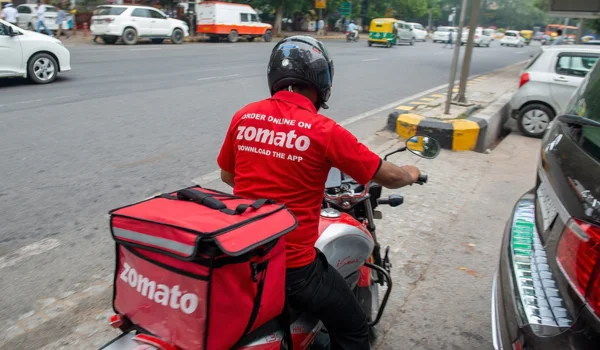
Zomato is an Indian food delivery and restaurant discovery platform founded in 2008 by Deepinder Goyal and Pankaj Chaddah.
Initially, the company started as a website that allowed users to search restaurants, read menus, and check reviews. Over time, it evolved into a full-scale food delivery platform where customers can:
- Discover restaurants
- Order food online
- Book tables
- Read reviews and ratings
- Get groceries and quick deliveries in some areas
Zomato operates in hundreds of cities across India, including Delhi, Mumbai, Bengaluru, Hyderabad, and Pune.
Over the years, Zomato has also expanded internationally and became one of the first Indian tech startups to go public on the stock exchange.
Understanding the Zomato Business Model
Zomato follows a platform-based marketplace business model.
Instead of owning restaurants, Zomato acts as an intermediary between customers and restaurants. It provides a digital platform where restaurants can showcase their menu, and customers can easily order food.
The main participants in Zomato’s ecosystem are:
- Customers
- Restaurants
- Delivery partners
Zomato connects all three groups using technology, logistics, and data analytics.
Key Components of Zomato’s Business Model
- Restaurant Marketplace
The foundation of Zomato’s business model is its restaurant marketplace.
Restaurants list their details on the platform, including:
- Menu
- Prices
- Photos
- Customer reviews
- Ratings
This helps users compare restaurants before ordering food.
For restaurants, Zomato acts as a powerful marketing and customer acquisition platform.
- Food Delivery Network
Zomato operates one of the largest food delivery networks in India.
When a customer places an order:
- The order is sent to the restaurant.
- The restaurant prepares the food.
- A Zomato delivery partner picks it up.
- The order is delivered to the customer.
This delivery network allows restaurants to serve customers beyond their physical location.
- Technology and Data
Technology is the backbone of Zomato’s operations.
The company uses advanced algorithms to manage:
- Delivery routing
- Estimated delivery times
- Restaurant recommendations
- Customer preferences
For example, if a user frequently orders pizza or biryani, the app automatically suggests similar restaurants.
This personalization strategy increases order frequency and improves customer experience.
How Does Zomato Make Money?
Zomato has developed multiple revenue streams to generate income. Let’s explore the major ones.
- Commission from Restaurants
One of the biggest sources of revenue for Zomato is commission from restaurants.
Whenever a customer places an order, Zomato charges restaurants a commission fee, which can range between 15% to 30% of the order value.
For example:
- Order value: ₹500
- Zomato commission (20%): ₹100
This means Zomato earns ₹100 from that order.
Since the platform processes millions of orders every day, this commission model generates a large portion of Zomato’s revenue.
- Delivery Charges
Zomato also earns money from delivery fees paid by customers.
Delivery charges depend on:
- Distance between restaurant and customer
- Order value
- City and demand
In some cases, delivery charges range from ₹20 to ₹60 or more.
During peak hours or bad weather conditions, delivery fees may increase slightly.
- Advertising and Restaurant Promotions
Restaurants often want to increase their visibility on the platform.
To achieve this, they pay Zomato for:
- Sponsored listings
- Homepage promotions
- Featured restaurant placement
These advertising options help restaurants attract more customers.
For Zomato, advertising is a high-margin revenue stream because it involves minimal operational costs.
- Zomato Gold Membership
Zomato also generates revenue through its subscription program, known as Zomato Gold.
Members pay a subscription fee to receive special benefits such as:
- Free delivery on certain orders
- Extra discounts
- Dining offers at partner restaurants
This model helps Zomato earn recurring income while encouraging customers to order more frequently.
- Hyperpure – B2B Supply Business
Another interesting part of Zomato’s business model is Hyperpure.
Hyperpure is Zomato’s B2B supply chain platform that delivers raw materials to restaurants.
Through Hyperpure, restaurants can buy:
- Vegetables and fruits
- Dairy products
- Meat and seafood
- Kitchen essentials
This allows Zomato to participate in the restaurant supply chain and generate additional revenue beyond food delivery.
- Quick Commerce & Grocery
In recent years, Zomato has also entered the quick-commerce market.
The company acquired Blinkit, a quick grocery delivery startup.
Through this acquisition, Zomato expanded into:
- 10-minute grocery delivery
- daily essentials delivery
- instant convenience products
This move helped Zomato compete with companies like:
- Swiggy
- Zepto
Quick commerce is becoming an important revenue stream for the company.
Cost Structure of Zomato
Running a large food delivery platform involves significant expenses.
Some of Zomato’s major costs include:
Delivery Partner Payments
Zomato pays delivery executives per order along with incentives.
Technology Infrastructure
Maintaining servers, mobile apps, and AI systems requires continuous investment.
Marketing & Customer Discounts
To attract customers, Zomato often offers:
- promo codes
- cashback offers
- festive discounts
Operations and Customer Support
Managing customer complaints, refunds, and logistics also adds operational costs.
Strengths of Zomato’s Business Model
Zomato’s business model has several advantages.
Large Customer Base
Millions of users across India rely on the platform.
Strong Restaurant Network
Thousands of restaurants partner with Zomato.
Data-Driven Platform
The company uses customer data to improve recommendations and delivery efficiency.
Multiple Revenue Streams
Zomato does not depend on just one source of income.
Challenges Faced by Zomato
Even with its strong position, Zomato faces some challenges.
Intense Competition
The biggest competitor is Swiggy, which also dominates the Indian food delivery market.
Profitability Pressure
Food delivery platforms often spend heavily on discounts and marketing.
Delivery Logistics
Managing thousands of delivery partners daily is a complex operation.
Future of Zomato
The future of Zomato looks promising as online food ordering continues to grow in India.
The company is focusing on:
- expanding quick commerce through Blinkit
- improving delivery efficiency
- increasing restaurant partnerships
- strengthening its B2B supply chain business
With rising smartphone usage and busy urban lifestyles, demand for online food delivery is expected to grow significantly in the coming years.
Final Thoughts
The business model of Zomato is a powerful example of how technology can transform a traditional industry like food service.
By connecting customers, restaurants, and delivery partners on a single platform, Zomato created a large ecosystem that benefits everyone involved.
The company earns money through restaurant commissions, delivery charges, advertising, subscriptions, B2B supplies, and quick commerce services.
For entrepreneurs and business enthusiasts, Zomato’s journey highlights an important lesson: solving everyday problems with technology can create massive business opportunities.