
Paradise Biryani is one of India’s most iconic biryani brands, best known for its Hyderabadi biryani legacy. Many entrepreneurs consider entering the food franchise market with this name due to its strong recognition and loyal customer base. This guide covers all key aspects of the Paradise Biryani franchise cost in India, including investment cost, franchise fee & royalty, profit margin & ROI, space and manpower needs, franchisor support, pros & cons, eligibility criteria, application process, risks, FAQs, and conclusion.
🍽️ Why Choose Paradise Biryani Franchise?
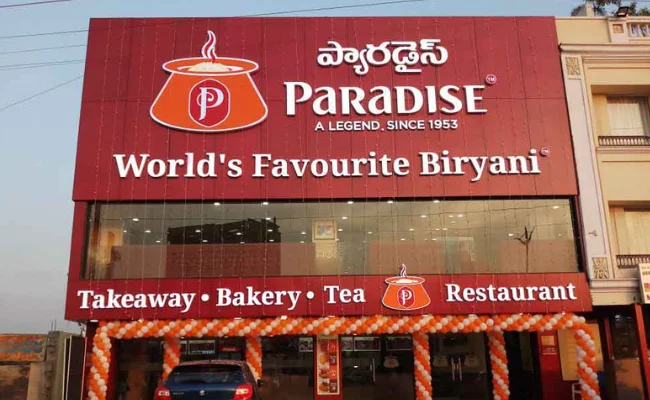
Paradise Biryani, founded in 1985 in Hyderabad, has over 50+ outlets across India and attracts biryani lovers nationwide. A franchise partner can tap into its brand value, menu popularity, and repeat demand — especially in urban markets and high-traffic food zones.
💰 Investment Cost (INR)
The total investment for a Paradise Biryani franchise depends on space, setup, and location. Below is a practical range based on known franchise figures:
| Cost Component | Estimated Range (₹) |
| Franchise Fee | ₹2 – ₹5 Lakh |
| Infrastructure & Setup | ₹15 – ₹20 Lakh |
| Total Estimated Investment | ₹17 – ₹25 Lakh |
| Space Required | 600 – 1,200 sq.ft |
📌 Investment figures include franchise fee and outlet setup but usually exclude rent deposits and initial working capital.
💼 Franchise Fee & Royalty
🧾 Franchise Fee
Paradise Biryani typically charges a one-time franchise fee in the range of ₹2 – ₹5 Lakh as part of the investment.
📊 Royalty / Revenue Share
Rather than a flat royalty, Paradise Biryani’s model is usually a revenue share with franchise partners:
- Franchisee retains ~90% of revenue
- Brand keeps ~10% as royalty/commission
✔ This gives franchisees a larger share of sales revenue, which improves cash flow when managed well.
📈 Profit Margin & ROI
Profit and return on investment depend on location, pricing, cost control, and footfall. Typical figures seen in structured biryani franchises include:
| Metric | Estimated Range |
| Gross Margin | ~60 % – 70 % (food & bev before expenses) |
| Net Profit Margin | ~15 % – 25 % (after all costs) |
| Break-Even / ROI | ~18 – 24 months |
| Average Billing Range | ₹100 – ₹500 per customer* |
*Actual invoicing varies by location, dine-in vs delivery mix, and price point.
📌 ROI around 1.5 – 2 years is realistic in busy commercial areas with steady footfall after launch support and promotions.
🏢 Space & Manpower Needs
📍 Space Requirements
| Format | Recommended Space |
| Full Sit-Down Outlet | 800 – 1,200 sq.ft. |
| Takeaway / Delivery-First | 600 – 800 sq.ft. |
✔ Busy food streets, malls, transit points, and commercial hubs are ideal locations.
👥 Manpower Needs
Typical team size includes:
- Kitchen staff: 3 – 5 persons
- Service / counter staff: 2 – 4 persons
- Manager / supervisor: 1 person
This staffing supports both dine-in and takeaway/delivery operations
🤝 Franchisor Support
Paradise Biryani provides significant support to help franchisees succeed:
✔ Site selection guidance based on footfall & demographics
✔ Outlet layout & design support
✔ Training on food preparation and service quality
✔ Marketing and promotional assistance for launch and ongoing sales
✔ Delivery platform tie-in support with online ordering systems
This structured support helps new and experienced operators manage the business efficiently.
👍 Pros & 👎 Cons
✅ Pros
✔ Strong brand recognition across India.
✔ Revenue share model keeps most sales income with franchisee.
✔ Proven biryani concept with loyal customer base.
✔ Comprehensive franchisor support reduces startup risk.
❌ Cons
❗ Franchise opportunities may be limited by available territories and brand acceptance in some cities.
❗ Operational success heavily depends on location and management efficiency.
❗ Royalty share (~10%) affects net margins but funds support and marketing.
📋 Eligibility Criteria
To apply for a Paradise Biryani franchise, you typically need:
✔ Investment capacity: ~₹17 – ₹25 Lakh+ ready.
✔ Commercial space (600 – 1,200 sq.ft.) with good visibility.
✔ Experience in F&B retail or willingness to learn.
✔ GST, FSSAI & trade licences in place before launch.
✔ Commitment to brand quality standards.
Franchise terms usually include a 5-year agreement with possible renewal.
✍️ Application Process
Here’s a simple step-by-step approach:
- Initial Enquiry: Contact the Paradise Biryani franchise team via their official form or business development contact.
- Submit Business Profile: Share your background, investment capacity, and proposed location.
- Location Evaluation: Brand evaluates site potential and footfall.
- Agreement Signing: Review and sign the franchise contract.
- Setup & Training: Complete outlet setup and staff training.
- Launch: Open your outlet with marketing support.
⚠️ Risks to Consider
✔ Location risk: Poor footfall can significantly reduce revenue.
✔ High rent costs in metro cities can squeeze margins.
✔ Operational challenges: Staff training, food quality consistency, and supply chain must be managed well.
✔ Competition: Many biryani brands compete for the same audience.
❓ FAQs (Frequently Asked Questions)
Q1. How much is the Paradise Biryani franchise cost in India?
A: Typically around ₹17 – ₹25 Lakh including setup and franchise fee
Q2. What size space do I need?
A: Approximately 600 – 1,200 sq.ft
Q3. How long until I break even?
A: Around 18 – 24 months with good operations
Q4. What is the royalty share?
A: The franchisee typically keeps ~90% of revenue.
Q5. Does the brand provide support?
A: Yes — support includes site guidance, setup, training, marketing & delivery integration.
🏁 Conclusion
The Paradise Biryani franchise in India offers a chance to partner with a well-known biryani brand with structured support and high customer demand. With moderate investment, strong brand value, and ongoing franchise support, this business can be promising if placed in a strategic location with disciplined operations. However, carefully review all terms, costs, and commitments with the franchisor before investing
 Akshay Kumar
Jai want to open outlet in Haridwar Uttarakhand