
The quick-service restaurant (QSR) industry in India is growing very fast. People today prefer quick, hygienic, and healthy food options. Because of this trend, international brands like Subway have become very popular across Indian cities.
Subway is known for its customizable sandwiches, salads, and healthy fast-food options. Many entrepreneurs in India are interested in starting a Subway outlet because the brand already has strong recognition and a proven business model.
But before investing, it is important to understand the Subway franchise cost in India, investment requirements, profit margin, and risks. This article explains everything in simple English for beginners.
Subway Franchise Overview
| Details | Information |
| Brand | Subway |
| Industry | Quick Service Restaurant (QSR) |
| Founded | 1965 |
| Presence | 100+ countries |
| Popular Products | Sandwiches, wraps, salads |
| Franchise Model | Individual franchise outlet |
Subway operates mostly through the franchise model in India. This means independent business owners run outlets under the Subway brand.
Subway Franchise Cost in India
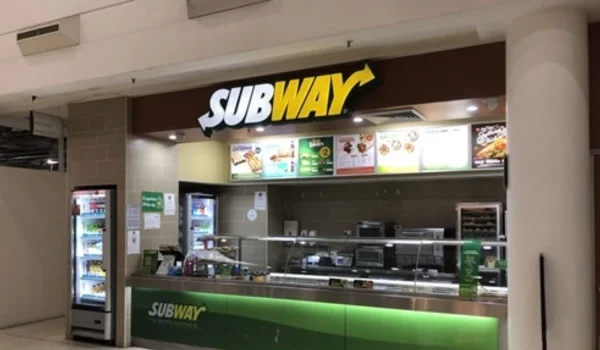
The investment required to open a Subway franchise depends on factors like location, store size, and interior design. In most Indian cities, the total investment usually ranges between ₹50 lakh and ₹90 lakh.
Estimated Investment Breakdown
| Expense Type | Estimated Cost (INR) |
| Franchise Fee | ₹6.5 lakh – ₹8.5 lakh |
| Store Setup & Interiors | ₹25 lakh – ₹40 lakh |
| Equipment & Kitchen Setup | ₹10 lakh – ₹15 lakh |
| Licenses & Registrations | ₹2 lakh – ₹3 lakh |
| Initial Inventory | ₹3 lakh – ₹5 lakh |
| Working Capital | ₹5 lakh – ₹10 lakh |
| Total Investment | ₹50 lakh – ₹90 lakh |
The final cost depends mainly on:
- City or town
- Mall vs high-street location
- Store size
- Interior design quality
For example, opening a Subway outlet in Delhi, Mumbai, or Bangalore will cost more due to higher rent.
Franchise Fee, Royalty & Marketing Charges
Apart from the initial investment, franchise owners must pay certain ongoing fees to the company.
| Fee Type | Details |
| Franchise Fee | ₹6.5 – ₹8.5 lakh (one time) |
| Royalty Fee | 8% of gross sales |
| Advertising Fee | 4.5% of gross sales |
The royalty and marketing fees are charged on monthly sales and help Subway maintain brand marketing, advertising campaigns, and product innovation.
Space Requirements for Subway Franchise
Subway offers multiple outlet formats, so space requirements vary.
| Outlet Type | Area Required |
| Food Court / Kiosk | 170 – 300 sq ft |
| High Street Store | 350 – 800 sq ft |
| Large Restaurant | 800 – 1200 sq ft |
Subway outlets usually perform well in:
- Shopping malls
- Metro stations
- Business districts
- College areas
- High-traffic streets
The rent can range from ₹50,000 to ₹2 lakh per month, depending on the city.
Manpower Requirements
A typical Subway outlet requires a small team.
Staff Structure
| Position | Number of Employees |
| Store Manager | 1 |
| Sandwich Artists / Staff | 4 – 6 |
| Cleaner / Helper | 1 |
Total manpower required: 6–8 employees
Staff must be trained in food preparation, hygiene, and customer service.
Profit Margin and ROI
Profit in the Subway franchise depends on location, footfall, and operational efficiency.
Example Monthly Financial Estimate
| Item | Amount |
| Monthly Sales | ₹10 – ₹15 lakh |
| Food Cost | ₹4 – ₹6 lakh |
| Rent & Utilities | ₹1 – ₹2 lakh |
| Salaries | ₹2 – ₹3 lakh |
| Royalty & Marketing | ₹1 – ₹1.8 lakh |
| Estimated Net Profit | ₹1.5 – ₹3 lakh/month |
These numbers are only estimates. Actual profit depends on store performance and location.
Expected ROI
Most franchise owners recover their investment in about 2–4 years, depending on sales performance.
Support Provided by Subway
One big advantage of franchise businesses is brand support.
Subway provides several types of assistance:
- Training Support
- Food preparation training
- Store management training
- Staff training programs
- Location Assistance
The company helps select the right location based on market demand.
- Design & Setup
Subway provides standard store layout, branding guidelines, and equipment recommendations.
- Supply Chain Support
Franchisees get access to approved suppliers for ingredients and packaging.
- Marketing Support
National and regional advertising campaigns help increase brand awareness.
Pros of Subway Franchise
- Strong Brand Recognition
Subway is a global brand trusted by millions of customers.
- Health-Focused Menu
Compared to other fast-food brands, Subway offers relatively healthier options.
- Proven Business Model
The franchise system has been working successfully for decades.
- Flexible Store Formats
You can open in malls, food courts, or high-street locations.
- High Demand for Fast Food
India’s QSR market is growing rapidly.
Cons of Subway Franchise
Despite many advantages, there are some challenges.
- High Investment
₹50–₹90 lakh is a large investment for many small entrepreneurs.
- Royalty Fees
Franchise owners must pay 12.5% of sales as royalty and marketing fees.
- Location Dependency
Sales depend heavily on foot traffic.
- Competition
Competition from brands like burger chains, pizza brands, and local cafes can affect sales.
- Operational Responsibility
Franchise owners must manage staff, inventory, and customer service daily.
Eligibility Criteria for Subway Franchise
To apply for a Subway franchise in India, you should meet the following requirements:
- Minimum investment capacity: ₹50 lakh+
- Commercial space in a good location
- Basic business management skills
- Ability to manage staff and operations
- Willingness to follow brand guidelines
Food business experience is helpful but not always mandatory.
Documents Required
To open a Subway franchise in India, the following documents are typically required:
Personal Documents
- PAN Card
- Aadhaar Card
- Address Proof
Business Documents
- GST Registration
- FSSAI License
- Shop and Establishment License
- Trade License
Property Documents
- Lease agreement or ownership proof
- NOC from landlord (if rented property)
Subway Franchise Application Process
The process to apply for a Subway franchise is simple.
Step 1: Online Application
Visit the official Subway franchise website and fill out the franchise application form.
Step 2: Initial Screening
The company reviews your application and financial capacity.
Step 3: Interview & Discussion
Subway representatives discuss the business model and expectations.
Step 4: Location Approval
The proposed location is evaluated.
Step 5: Agreement Signing
Franchise agreement is signed (usually for 20 years).
Step 6: Store Setup
Interior design, equipment installation, and staff training begin.
Step 7: Store Launch
The outlet is ready to start operations.
Risks in Subway Franchise Business
Like any business, Subway franchise also involves risks.
Market Competition
Fast-food competition is increasing rapidly in India.
High Rent
Rent in prime locations can reduce profit margins.
Changing Food Trends
Consumer preferences may change over time.
Operational Challenges
Staff management and food quality control are critical.
Therefore, careful planning and market research are necessary before investing.
FAQs About Subway Franchise Cost in India
- What is the total investment for a Subway franchise in India?
The total investment usually ranges between ₹50 lakh and ₹90 lakh depending on location and store size.
- What is the franchise fee for Subway?
The one-time franchise fee is approximately ₹6.5 lakh to ₹8.5 lakh.
- How much royalty does Subway charge?
Subway charges 8% royalty and 4.5% advertising fee on gross sales.
- How much profit can a Subway outlet make?
Average net profit can range between ₹1.5 lakh and ₹3 lakh per month, depending on sales and expenses.
- How long does it take to recover the investment?
Usually 2–4 years, depending on location and business performance.
Conclusion
Starting a Subway franchise in India can be a good business opportunity for entrepreneurs who want to enter the fast-food industry with a well-known brand. The investment requirement is relatively moderate compared to other international restaurant franchises.
However, success depends heavily on location selection, operational efficiency, and customer service. A high-footfall location like malls, metro stations, or busy commercial areas can significantly improve profitability.
Before investing ₹50 lakh or more, it is important to conduct proper market research, calculate operating costs, and evaluate local competition. With the right strategy and management, a Subway outlet can become a stable long-term food business.