
In India, biryani is not just food—it’s an obsession. From Hyderabad to Kolkata and from Lucknow to Tamil Nadu, every region has its own loyal biryani lovers. Among South India’s most talked-about biryani brands, Salem RR Biryani has built a powerful reputation without flashy marketing or aggressive discounting.
What makes Salem RR Biryani interesting from a business point of view is that it is not positioned as a luxury restaurant, nor as a cheap fast-food outlet. It operates in a sweet spot where authentic taste, high portions, and consistent quality drive massive footfall. Let’s break down the Salem RR Biryani business model, revenue streams, cost structure, and the reasons behind its success.
Introduction to Salem RR Biryani
Salem RR Biryani originated from Salem, Tamil Nadu, and is widely known for its distinct South Indian-style biryani, generous portions, and affordable pricing. Over time, the brand has expanded to multiple cities through a mix of company-owned and partner outlets.
Unlike corporate QSR chains, Salem RR Biryani feels more like a community food brand, deeply rooted in regional taste preferences.
Core Idea Behind Salem RR Biryani’s Business Model
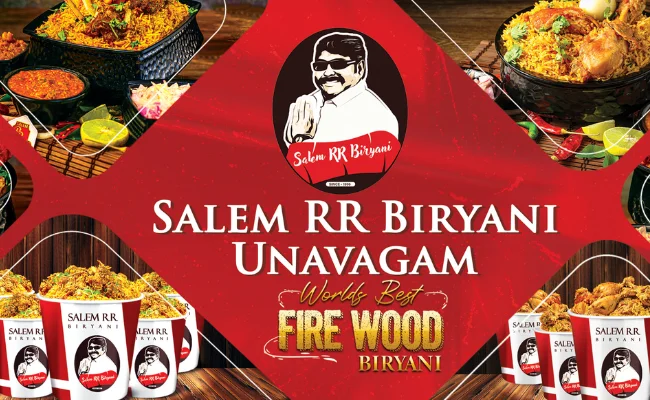
The foundation of Salem RR Biryani’s business model is “Taste consistency at scale.”
Instead of innovating frequently or adding complex menu items, the brand focuses on:
- One hero product: biryani
- Standardized spice blends
- Controlled cooking process
- High daily sales volume
This focus helps in reducing operational errors and maintaining customer trust.
Target Customers of Salem RR Biryani
Salem RR Biryani clearly knows its audience.
Primary Target Customers:
- Working professionals
- Daily wage earners
- Families ordering weekend meals
- College students
- Local food lovers
Secondary Customers:
- Office bulk orders
- Party & function catering
- Online food delivery users
The pricing and portion size are designed for mass affordability, not premium dining.
Product Strategy: Fewer Items, Higher Efficiency
One of the smartest decisions by Salem RR Biryani is menu control.
Core Menu Items:
- Chicken Biryani
- Mutton Biryani
- Egg Biryani
- Plain rice & sides
Supporting Items:
- Starters (limited)
- Gravy
- Raita
- Soft drinks
By limiting choices, the brand:
- Speeds up service
- Reduces kitchen complexity
- Minimizes ingredient wastage
How Does Salem RR Biryani Make Money?
Salem RR Biryani generates revenue from multiple yet tightly connected sources.
- High-Volume Biryani Sales (Primary Revenue)
Biryani is the main income driver.
- Average price per plate: ₹150 – ₹280
- Cost per plate (ingredients + fuel): ₹90 – ₹130
- Gross margin: 40% – 55%
The real profit comes from selling hundreds of plates daily, not high pricing.
- Dine-In Turnover Strategy
Most outlets follow:
- Simple seating
- Fast table turnover
- No long-stay ambience
This allows:
- More customers per day
- Lower rent per square foot
- Faster billing cycles
More customers = more biryani sold = more profit.
- Online Food Delivery Platforms
A significant share of revenue comes from:
- Swiggy
- Zomato
Although commissions are high (18%–30%), Salem RR Biryani benefits from:
- Wider reach
- No dine-in space dependency
- Peak-hour sales boosts
The brand adjusts pricing slightly higher online to balance commissions.
- Bulk & Party Orders
Salem RR Biryani also handles:
- Office lunches
- Small functions
- Group orders
Bulk orders provide:
- Guaranteed volume
- Predictable income
- Lower marketing effort
Expansion is done through:
- Revenue-sharing partner outlets
- Limited franchising
Income sources include:
- Brand usage fee
- Central kitchen supply margins
- Raw material sourcing profits
This allows faster expansion without huge capital risk.
Cost Structure of Salem RR Biryani
Understanding the costs explains why the model works.
Major Cost Components:
- Raw materials (rice, chicken, mutton, spices)
- Kitchen staff salaries
- Rent
- Gas & electricity
- Delivery platform commissions
Cost-Saving Factors:
- Bulk purchasing of ingredients
- Fixed spice recipe
- Limited menu
- High daily inventory turnover
Food wastage is relatively low because biryani sells quickly.
Profitability & Break-Even Analysis
Average Monthly Revenue (Single Outlet):
- ₹25–45 lakhs (location dependent)
Net Profit Margin:
- 12% – 20%
Break-Even Period:
- 10–18 months
These numbers are strong for a single-cuisine restaurant business in India.
Why Salem RR Biryani’s Model Works in India
- Emotional Food Connect
Biryani has strong emotional and cultural value in India.
- Value for Money
Large portions + affordable pricing = repeat customers.
- Word-of-Mouth Marketing
Taste sells itself—minimal ad spend required.
- Regional Loyalty
South Indian customers strongly support familiar taste profiles.
Salem RR Biryani vs Fancy Biryani Restaurants
| Aspect | Salem RR Biryani | Premium Biryani Cafes |
| Pricing | Affordable | Expensive |
| Portion size | Large | Moderate |
| Focus | Taste & volume | Ambience |
| Customer loyalty | High | Medium |
| Marketing spend | Low | High |
Salem RR Biryani wins by being authentic, not aspirational.
Challenges & Risks
Every food business has risks.
Key Challenges:
- Raw material price fluctuations
- Quality consistency across outlets
- Staff training
- Food safety regulations
However, strong SOPs and centralized control help reduce these risks.
Personal Business Insight
From a business expert’s point of view, Salem RR Biryani succeeds because it respects a golden rule of Indian food businesses:
Don’t overcomplicate what already works.
Instead of adding pizzas, burgers, or fusion dishes, Salem RR Biryani protects its core identity. That discipline is rare—and powerful.
Lessons for Aspiring Restaurant Entrepreneurs
Salem RR Biryani teaches important lessons:
- One strong product is enough
- Taste consistency matters more than décor
- High volume beats high margins
- Local food can scale nationally
Final Conclusion
The Salem RR Biryani business model is a perfect example of how regional food, when executed with discipline and consistency, can become a scalable and profitable business.
By focusing on biryani, controlling costs, maintaining portion value, and expanding smartly, Salem RR Biryani has created a loyal customer base and steady cash flow.
In a market crowded with fancy menus and short-lived trends, Salem RR Biryani proves that authentic taste and honest pricing are timeless business strategies.