
When Indians talk about biryani, it’s never just food—it’s emotion, pride, and identity. And when the conversation turns to legendary biryani brands, Paradise Biryani inevitably takes center stage. What started as a humble café in Hyderabad has today become one of India’s most successful and scalable biryani brands, with outlets across the country and even overseas.
But beyond the aroma of basmati rice and slow-cooked meat lies a carefully structured business model. Paradise Biryani is not just selling food—it is selling consistency, heritage, and trust, all while operating at scale. In this article, I’ll explain Paradise Biryani’s business model, revenue streams, cost structure, and profitability drivers, in a simple yet insightful way.
Introduction to Paradise Biryani
Paradise Biryani traces its roots back to 1953 in Secunderabad, Hyderabad, where it began as a small café near Paradise Circle. Over decades, it evolved into a household name for Hyderabadi biryani, eventually transforming into a modern food chain.
Today, Paradise operates through:
- Dine-in restaurants
- Takeaway counters
- Cloud kitchens
- Franchise outlets
- International locations
Its success lies in turning a regional delicacy into a pan-India and global brand, without losing its original taste identity.
Understanding Paradise Biryani’s Core Business Model
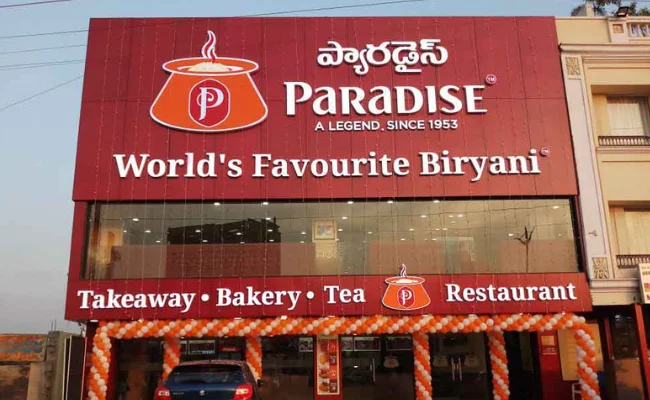
Paradise follows a specialised QSR + casual dining hybrid model, with biryani as the hero product.
The key pillars of its business model are:
- Product Specialisation (Biryani-Centric Menu)
- Standardised Recipes & Centralised Systems
- Multiple Revenue Channels
- Franchise-Led Expansion
- Strong Brand Storytelling
Instead of selling everything under the sun, Paradise focuses on doing one core product exceptionally well.
- Biryani Sales – The Heart of Revenue
At the center of Paradise’s business is, of course, biryani.
Popular Variants Include:
- Chicken Biryani
- Mutton Biryani
- Chicken Dum Biryani
- Family packs and jumbo packs
- Limited regional variants
Why Biryani Is a Powerful Product:
- High demand across demographics
- Suitable for dine-in, takeaway, and delivery
- Can be prepared in bulk
- Strong emotional and cultural connect
👉 Margin Insight:
Biryani typically offers gross margins of 55–65%, provided portion control and raw material sourcing are managed efficiently.
Paradise has mastered batch cooking, standard portions, and ingredient consistency, which directly improves profitability.
- Add-On Items – Increasing Average Order Value
Paradise doesn’t rely only on biryani.
High-Margin Add-Ons:
- Kebabs (chicken & mutton)
- Haleem (seasonal)
- Curries and gravies
- Raita and salan
- Desserts like double ka meetha
- Soft drinks and beverages
These items significantly boost the average bill value without proportionately increasing operational costs.
For example, a customer ordering biryani is very likely to add kebabs or drinks—this is where incremental profit is generated.
- Dine-In Restaurants – Experience & Branding
Paradise’s dine-in outlets play a crucial role beyond revenue.
Why Dine-In Matters:
- Higher per-customer spending
- Family and group dining
- Brand storytelling through ambience
- Strong word-of-mouth marketing
Even if dine-in margins are slightly lower due to staff and rent, they anchor the brand’s premium perception, which benefits delivery and takeaway sales.
- Online Delivery & Cloud Kitchens – Scalable Growth Engine
Paradise has aggressively expanded through:
- Swiggy
- Zomato
- Dedicated cloud kitchens
Why Delivery Works So Well for Paradise:
- Biryani travels well
- Minimal plating dependency
- High repeat ordering
- Suitable for family meals
Online delivery contributes a significant portion of total revenue, especially in metro cities. Cloud kitchens allow Paradise to expand faster without heavy real estate investment.
- Franchise Model – Asset-Light Expansion Strategy
Paradise follows a controlled franchise model, ensuring brand consistency.
Franchise Revenue Sources:
- Franchise fees of Paradise Biryani
- Royalty on sales
- Centralised supply of spices and ingredients
- Brand licensing
Why Paradise’s Franchise Model Works:
- Strong brand pull
- Proven demand for biryani
- Central recipe control
- Training and SOP-driven operations
This allows Paradise to scale while reducing capital risk, making franchising a major profit lever.
- Central Kitchen & Standardisation Advantage
One of Paradise’s biggest operational strengths is standardisation.
Key Practices:
- Centralised spice mixes
- Strict cooking SOPs
- Uniform portion sizes
- Controlled procurement of rice and meat
This reduces:
- Taste variation
- Wastage
- Dependency on individual chefs
Standardisation is the backbone of Paradise’s multi-city success.
Cost Structure of Paradise Biryani
Let’s break down the major cost components.
Key Costs Include:
- Raw Materials
- Basmati rice
- Chicken and mutton
- Spices and ghee
- Rent
- Prime locations increase cost
- Balanced by high footfall
- Manpower
- Kitchen staff
- Service staff
- Delivery coordination
- Technology & Aggregator Fees
- Online delivery commissions
- POS systems
- Marketing & Branding
- Digital marketing
- Influencer tie-ups
- Festival campaigns
Despite rising costs, Paradise maintains profitability through scale, sourcing power, and tight operational control.
Profit Margins & Financial Health
While exact numbers are not public, industry estimates suggest:
- Gross Margin: 55%–65%
- Net Profit Margin: 15%–22% (well-managed outlets)
Profitability varies by:
- Location
- Rent structure
- Sales mix (dine-in vs delivery)
- Franchise vs company-owned outlet
Why Paradise Biryani’s Business Model Is So Strong
- Product Focus
Instead of diversifying too much, Paradise owns the biryani category.
- Cultural Authenticity
Hyderabadi biryani has deep-rooted demand across India.
- Brand Legacy
Decades of trust cannot be built overnight.
- Multi-Channel Revenue
Dine-in, takeaway, delivery, cloud kitchens, franchises.
- Operational Discipline
Consistency beats creativity at scale—and Paradise understands this.
Challenges Faced by Paradise Biryani
No large food business is without challenges.
Key Challenges:
- Fluctuating meat prices
- Maintaining taste consistency across cities
- Competition from local biryani joints
- High delivery platform commissions
- Managing skilled kitchen staff
However, Paradise’s brand power and systems help absorb these shocks better than smaller players.
Lessons for Food Entrepreneurs
Paradise Biryani offers powerful lessons:
- Specialisation beats over-diversification
- Systems matter more than star chefs
- Strong branding multiplies profits
- Cloud kitchens can accelerate growth
- Indian food, if standardised well, can scale massively
Final Thoughts
Paradise Biryani is a textbook example of how a traditional Indian dish can be transformed into a modern, scalable, and profitable business. Its success lies not just in taste, but in discipline, focus, and strategic expansion.
In a country where biryani is an obsession, Paradise didn’t just serve food—it built a category-defining brand.
For anyone studying Indian food businesses or planning to enter the QSR space, Paradise Biryani’s business model is a masterclass worth learning from.