
Meat & Eat is a fast-growing Quick Service Restaurant (QSR) and family restaurant brand in India known for fresh farm-to-fork meat dishes, fried chicken, kebabs, burgers, and combos. Founded in 2013 under the Kavi/PUVI Group, the brand operates via franchises across multiple states and appeals to meat lovers, families, and daily diners in busy urban and suburban locations.
This article explains the Meat & Eat franchise cost, fees, profit potential, space and manpower needs, franchisor support, pros & cons, eligibility criteria, application steps, risks, FAQs, and a conclusion — all in easy English.
🍗 What Is the Meat & Eat Franchise?
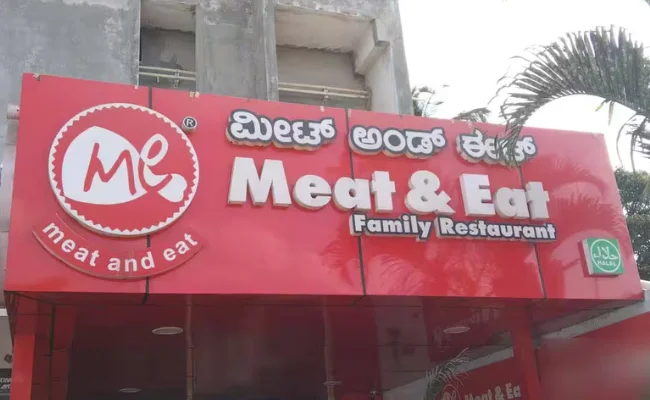
Meat & Eat is a branded restaurant and QSR chain that serves high-quality cooked and grilled meat-based foods with a focus on freshness, hygiene, and standardized menu. Franchise partners get the right to operate outlets under the Meat & Eat brand with operational and marketing support from the company.
With the Indian food-outlet market growing rapidly and casual dining segments expanding, a Meat & Eat franchise can be a strong business opportunity for investors who love the food industry and want to enter the restaurant business with brand recognition.
💰 Investment Cost (INR)
The total investment varies by outlet size, format, and location (express counter/kiosk vs family restaurant). Below is a practical cost estimate:
| Cost Component | Approx. Range (INR) |
| Franchise / Brand Fee | ₹2,00,000 – ₹3,00,000 + GST (one-time) |
| Interior & Fit-Out | ₹4,00,000 – ₹12,00,000 |
| Kitchen Equipment & Cold-Chain Setup | ₹3,00,000 – ₹8,00,000 |
| Initial Inventory & Packaging | ₹1,00,000 – ₹3,00,000 |
| Working Capital (Initial) | ₹1,00,000 – ₹4,00,000 |
| Total Estimated Investment | ₹10 – ₹30 Lakh depending on format |
| Space Required | ~180 – 800 sq.ft. |
👉 Notes: Smaller kiosks and express counters incur lower costs (closer to ₹10 L–₹15 L), while larger dine-in/family formats can approach ₹20 L–₹30 L or more.
💼 Franchise Fee & Royalty
Franchise / Brand Fee
The brand fee is a one-time payment to operate under the Meat & Eat brand, typically ₹2 – ₹3 Lakh + GST.
Royalty / Revenue Share
Meat & Eat does not charge ongoing royalty fees in many franchise models, meaning franchisees keep more revenue from sales.
📊 Profit Margin & ROI
Profit potential depends on location, demand, pricing, and operational efficiency:
- Gross Margin: Food products in QSR often have healthy gross margins (40–55%) before rent and wages, due to standardized supply and controlled costs.
- Net Profit: After expenses like rent, salaries, utilities, and marketing, net margins may be realistic at 10–20% for a well-managed outlet.
- Break-Even / ROI: Many directories suggest 12–24 months to recover investment, depending on location and sales.
📌 Actual profits vary with street footfall, delivery tie-ups, pricing strategy, and food service quality.
🏢 Space & Manpower Requirements
Space Requirements
| Outlet Format | Space Needed (sq.ft.) |
| Express Counter / Kiosk | ~180 – 250 |
| Standard QSR / Dine-In | ~250 – 500 |
| Family Restaurant | ~500 – 800+ |
Preferred locations include busy commercial streets, shopping malls, transit hubs, and food courts.
Manpower
- Staff Required: ~3–8 persons depending on outlet size and hours.
- Typical roles include cooks, service staff, cashiers, and helpers.
🤝 Franchisor Support
Meat & Eat typically provides:
✔ Training on operations, service standards, and menu execution.
✔ Menu & SOPs (Standard Operating Procedures) for consistent quality.
✔ Marketing guidance for promotions and launch.
✔ Supply chain access and cold-chain support.
✔ Site evaluation advice to choose a good location.
Support quality and inclusions should be confirmed in writing before signing the franchise agreement.
👍 Pros & 👎 Cons
✅ Pros
✔ No ongoing royalties in many cases, helping retain more profit.
✔ Moderate upfront investment compared with larger restaurant franchises.
✔ Brand recognition with growing presence in India.
✔ Farm-to-fork fresh supply chain reduces procurement issues.
❌ Cons
❗ Food business is competitive — many local and national brands vie for customers.
❗ Profitability heavily depends on location and operational control.
❗ Initial setup must meet strict brand standards for quality and hygiene.
❗ No guaranteed revenue — actual performance varies by market.
📋 Eligibility Criteria
To qualify for a Meat & Eat franchise, you generally need:
✔ Investment capability of ₹10 – ₹30 L.
✔ Commercial location with good footfall (200 – 800 sq.ft. available).
✔ Basic business management skills (food service experience helps).
✔ Legal compliance (GST, FSSAI Food Licence, Trade/Shop licence).
✔ Commitment to operational standards and brand SOPs.
✍️ Application Process
Here’s a step-by-step guide to apply:
- Initial Enquiry: Contact Meat & Eat via official franchise enquiry (website form or phone).
- Submit Business & Location Details: Include your experience, capital, and preferred outlet size.
- Site Evaluation: The franchisor evaluates your proposed location for viability.
- Agreement Review: Sign the franchise contract after legal and financial review.
- Setup & Training: Complete store fit-out, staff training, and approvals.
- Launch: Open with local marketing support.
⚠️ Risks to Consider
- Location dependency: Poor footfall significantly affects sales.
- Operational cost pressures: Rent, salaries, and utilities can squeeze margins.
- Competition: A crowded food market demands strong quality and customer service.
- Regulatory compliance: FSSAI and local licences must be maintained continuously.
❓ FAQs (Frequently Asked Questions)
Q1. How much does a Meat & Eat franchise cost?
A: Usually ₹10 – ₹30 Lakh including setup, franchise fee, equipment, inventory, and working capital.
Q2. Is there a royalty to be paid?
A: Many franchise formats do not charge ongoing royalty; clarify in your agreement.
Q3. What space is needed?
A: Typically 180 – 800 sq.ft. based on format.
Q4. How long until ROI?
A: Many outlets aim for 12–24 months for break-even and ROI, depending on sales.
Q5. What licences are required?
A: GST, FSSAI food licence, Shop/Trade licence, and local approvals are usually required.
🏁 Conclusion
A Meat & Eat franchise offers a practical way to enter the thriving QSR and casual dining food sector in India with moderate investment, strong brand support, and a no-royalty model in many cases. Success depends on location choice, disciplined operations, and customer service quality. Always verify official details, ask for anonymised performance data, and consult legal/financial advisors before investing.