
Irani cafés are not just food businesses—they are living stories of heritage, simplicity, and smart economics. From the iconic Irani cafés of Mumbai and Pune to modern-day Irani-style cafés opening across Indian cities, this model has quietly survived for over a century. That alone tells us something important: the Irani café business model works.
What makes this model so powerful is that it doesn’t rely on fancy interiors, expensive menus, or premium pricing. Instead, it thrives on loyal customers, high-volume sales, low operating costs, and emotional connection.
In this article, I’ll explain the Irani café business model, how it makes money, its revenue streams, cost structure, profit margins, pros & cons, and why it is still relevant in today’s competitive food business market in India.
What Is an Irani Café?
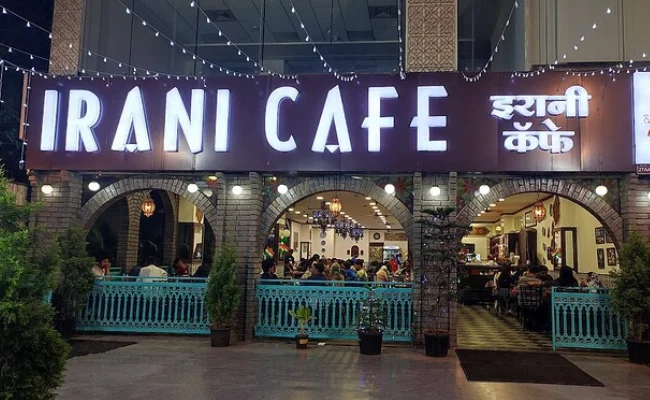
An Irani café is a traditional café-style eatery introduced in India by Persian (Irani) immigrants in the late 19th and early 20th centuries. These cafés became popular in cities like:
- Mumbai
- Pune
- Hyderabad
- Bengaluru
They are known for:
- Simple food
- Affordable pricing
- Quick service
- Community seating
- All-day operations
Classic items include Irani chai, bun maska, keema pav, berry pulao, brun pav, eggs, and bakery-style snacks.
Understanding the Irani Café Business Model
The Irani café business model is based on volume-driven profitability rather than high margins per dish. The focus is on:
- Serving simple, repeatable food
- High table turnover
- Minimal menu complexity
- Low wastage
- Long operating hours
Unlike modern cafés that chase Instagram aesthetics, Irani cafés chase consistency and affordability.
Core Principles of the Irani Café Model
- Limited but Timeless Menu
Irani cafés don’t change menus frequently. Many dishes have remained unchanged for decades. This helps in:
- Cost control
- Easy staff training
- Faster service
- Affordable Pricing
Prices are kept accessible for daily customers—office workers, students, senior citizens, and families.
- High Repeat Customers
People don’t visit Irani cafés for novelty; they visit for comfort and habit.
- Long Business Hours
Most Irani cafés operate from early morning to late night, maximizing daily revenue.
How Does an Irani Café Make Money?
Let’s break down the main revenue sources.
- Tea & Beverage Sales (Backbone of Revenue)
Irani chai is one of the highest-margin products.
- Cost per cup: ₹5–₹8
- Selling price: ₹20–₹40
Tea is ordered repeatedly, especially during peak hours. Even if food sales slow down, chai keeps cash flowing throughout the day.
- Bakery & Bread-Based Items
Items like:
- Bun maska
- Brun pav
- Osmania biscuits
- Toast
These are low-cost, fast-selling items with excellent margins and almost zero marketing cost because customers already know what they want.
- Breakfast & All-Day Meals
Popular items include:
- Keema pav
- Eggs (various styles)
- Akuri
- Pulao
- Dal-chawal (in some cafés)
These meals:
- Use affordable ingredients
- Are filling and satisfying
- Encourage repeat visits
- High Table Turnover
Irani cafés use community seating, which:
- Increases seating efficiency
- Reduces waiting time
- Encourages faster eating and exit
More customers per table = more revenue per square foot.
- Bakery Sales (Takeaway Model)
Many Irani cafés operate in-house bakeries or tie-ups.
- Bread
- Cakes
- Cookies
- Khari biscuits
These items are sold for takeaway, adding an additional revenue stream without extra seating.
Cost Structure of an Irani Café in India
Initial Investment (Approx.)
| Expense | Cost (₹) |
| Kitchen setup & equipment | 2–6 lakh |
| Seating & furniture | 1–3 lakh |
| Licenses (FSSAI, GST, local) | 30,000 – 60,000 |
| Initial raw materials | 50,000 – 1 lakh |
| Total Investment | ₹4 – ₹10 lakh |
Costs vary widely based on city and scale.
Monthly Operating Costs
- Rent: ₹30,000 – ₹1,50,000
- Staff salaries: ₹40,000 – ₹1,20,000
- Raw materials: 30–35% of revenue
- Utilities (gas, electricity, water): ₹10,000 – ₹25,000
- Maintenance & wastage
Because menus are simple, food cost remains well-controlled.
Profit Margins in Irani Café Business
- Gross margin: 55–65%
- Net profit margin: 15–25%
While margins may look lower compared to fast-food chains, the strength lies in:
- Consistent daily sales
- Predictable demand
- Low marketing expenses
Many Irani cafés operate profitably for decades with steady cash flow, not flashy growth.
Why Irani Cafés Have Survived for Generations
This model is not built for hype—it is built for sustainability.
- Same customers for years
- Same recipes for decades
- Same suppliers
- Minimal experimentation risk
This reduces uncertainty and business volatility.
Modern Adaptation of the Irani Café Model
New entrepreneurs are now launching modern Irani-style cafés by combining tradition with light innovation:
- Cleaner interiors
- Online delivery
- Digital payments
- Slightly expanded menu
- Better branding
This allows them to attract younger customers without losing the soul of the concept.
Pros of the Irani Café Business Model
✔ Strong customer loyalty
✔ Low marketing dependency
✔ Simple menu = easy operations
✔ Affordable pricing attracts mass audience
✔ Works well in high-footfall areas
✔ Stable, long-term business
Cons & Challenges
✖ Requires patience (not a get-rich-quick model)
✖ Taste consistency is critical
✖ Rising rental costs in cities
✖ Limited appeal in low-footfall locations
✖ Harder to scale aggressively
Key Success Tips for Starting an Irani Café
- Choose a busy commercial or residential area
- Maintain authentic taste
- Don’t overcomplicate the menu
- Focus on tea quality
- Train staff for speed and politeness
- Build a morning and evening regular crowd
- Maintain cleanliness without losing old-school charm
Final Thoughts
The Irani café business model proves that you don’t need expensive décor, celebrity chefs, or premium pricing to run a successful food business. What you need is consistency, honesty, and understanding of your customers.
In a world chasing trends, Irani cafés win by staying rooted. That’s why they continue to make money—quietly, steadily, and sustainably.
If you’re looking to start a food business that values long-term stability over short-term hype, the Irani café model is worth serious consideration.