
Starting a DTDC franchise is one of the most practical ways to enter India’s booming courier and logistics industry. DTDC (Desk to Desk Courier & Cargo) is a well-established brand with a strong network of over 14,000+ franchise partners across India and PAN-India reach in both urban and rural areas.
This article explains investment cost (INR), franchise fee & royalty, profit margin & ROI, space & manpower needs, franchisor support, pros & cons, application process, documents, eligibility, risks, FAQs, and conclusion — all in clear and simple English for Indian entrepreneurs.
📌 What Is a DTDC Franchise?
A DTDC franchise lets you operate a DTDC courier booking and delivery outlet in your city or locality.
You serve individual customers, e-commerce sellers, businesses, and local partners by booking, handling, and tracking parcels — earning a commission on each shipment.
DTDC has several franchise models:
- Single Unit / Flex Partner – Low investment, covering local delivery area
- Standard / Enterprise Partner – Medium investment with higher parcel volume
- Master / Super Franchise – Larger territory or multiple outlets
- Smile / Smile+ Partner – Smaller flexible options with optional delivery vehicle support
💰 DTDC Franchise Investment Cost (INR)
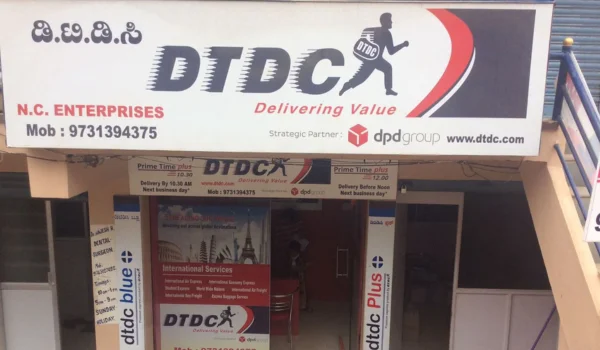
The total investment varies by franchise type, scale, and location (city vs. town). Below is a realistic cost overview based on India-specific data:
📊 Estimated Investment Breakdown
| Franchise Model | Investment Range (₹) | Space Needed |
| Flex / Small Partner | ₹1,00,000 – ₹1,50,000 | 100 – 250 sq. ft. |
| Single Unit Standard | ₹1,50,000 – ₹3,00,000 | 200 – 400 sq. ft. |
| Enterprise Partner | ₹1,50,000 – ₹3,50,000 | 250 – 500 sq. ft. |
| **DTDC360 / Franchisee | ₹3,00,000 – ₹5,00,000 | 300 – 800 sq. ft. |
| Super / Master Franchise | ₹5,00,000 – ₹10,00,000+ | 500+ sq. ft. |
Typical range: ₹1.5 lakh to ₹6 lakh for most individual partners, while larger regional franchises may need ₹8–10 lakh or more.
🔹 These figures exclude rent, salaries, utilities, and monthly operating costs — which vary by city and office location.
🧾 Franchise Fee & Royalty
📍 Franchise / Setup Fee
DTDC charges a one-time franchise fee that depends on the franchise model:
- Flex / Small Partner: ₹25,000 – ₹50,000
- Standard / Enterprise: ₹50,000 – ₹2,00,000
- Master / Super Franchise: Higher fee based on area and scale
💼 Royalty / Revenue Sharing
DTDC does not typically charge a fixed monthly royalty like some franchises. Instead, earnings are from a revenue-sharing or commission model — you earn a percentage on each consignment handled at your outlet.
Commission percentages usually range around 20% to 35% of the shipping charge, depending on service type and volume.
📈 Profit Margin & ROI (Return on Investment)
Profit and ROI in a DTDC franchise depend on parcel volume, location, pricing strategy, and operational control.
💡 Typical Financial Metrics
| Metric | Estimated Range |
| Commission per shipment | 20% – 35% |
| Monthly Revenue (Small / Standard) | ₹50,000 – ₹2,00,000+ |
| Net Profit Margin | 20% – 35% (at good volume) |
| Break-Even Time | 12 – 24 Months |
📊 Many partners recover their initial investment within about 12–24 months with steady parcel flow and local marketing.
⚠️ In smaller towns or low-volume areas, ROI can take longer, so realistic planning is crucial.
🏢 Space and Manpower Needs
📍 Space Requirement
- Minimum 100 – 250 sq. ft. for basic and flex partners
- 200 – 400 sq. ft. for standard courier outlets
- 300 – 800+ sq. ft. for larger enterprise or master franchise centers
- Best locations: near markets, busy roads, transport hubs, or commercial clusters
👥 Manpower Needs
- 1–2 staff for basic outlets
- 2–5 employees for larger partners (booking, handling, dispatch)
- Optional delivery personnel or tie-ups with local riders for pickup/drop services
👉 Staff training is usually provided by DTDC during onboarding.
🤝 Franchisor Support
DTDC provides strong support to its franchise partners:
✔ Operational Training – Booking, tracking, customer handling
✔ Branding & Setup Assistance – Office branding, signboards, system integration
✔ Technology & Software – IT system for booking, tracking, billing
✔ Marketing Support – Local and national brand promotions
✔ Operations Assistance – Route optimization, logistics coordination
✔ Workshops & Updates – Regular training and business development sessions
This support is valuable, especially for first-time business owners.
📝 Application Process
Here’s the typical step-by-step process to apply:
- Visit DTDC Official Partner Page – Fill out the inquiry form on DTDC’s official partner website.
- Submit Basic Details – Name, city, investment range, and space availability.
- Site Evaluation – DTDC conducts a site visit and market assessment.
- Document Submission – Provide required legal and financial documentation.
- Agreement Signing – Sign the franchise agreement and pay the fee.
- Training & Setup – DTDC guides you through setup and staff training.
- Launch Your Outlet – Start operations and begin earning.
Time from application to operation typically ranges from 4–8 weeks, depending on approvals and setup speed.
🗂 Required Documents & Eligibility
📄 Documents Checklist
- Aadhaar Card & PAN Card
- Passport-size Photos
- GST Registration (DTDC can assist if required)
- Shop & Establishment License
- Rent Agreement / Property Ownership Proof
- Bank Account Details (with cheque)
- Trade License or Local Permits as required
👤 Eligibility Criteria
✔ Must be an Indian citizen or legal business entity
✔ Age 21 years or above
✔ Sufficient investment capacity and business understanding
✔ Access to required commercial space
✔ Basic computer and communication skills
✔ Willingness to manage day-to-day operations
No formal logistics degree is required — DTDC provides training.
⚖️ Pros & Cons of a DTDC Franchise
👍 Advantages
✔ Low to moderate investment compared to many other franchises.
✔ Strong brand presence across India with established demand.
✔ Continuous revenue stream from parcel commissions.
✔ Multiple franchise models to suit different budgets.
✔ Supportive franchisor training and networking.
✔ Logistics demand grows with e-commerce and SME shipments.
👎 Disadvantages
✘ Profit depends heavily on parcel volume and local competition.
✘ Rental and staff costs can eat into profit if not managed well.
✘ Some partners may face operational challenges in peak seasons.
✘ Vehicle costs for delivery (optional) can add to investment.
⚠️ Risks to Consider
Before investing, consider these key risks:
- Competition: Other courier brands (FedEx, Blue Dart, Ekart) also operate aggressively.
- Demand Fluctuations: Seasonality and slow months can affect cash flow.
- Operational Delays: Delivery delays or logistics issues can impact reputation.
- Unauthorized Offers: Beware of third-party scammers posing as DTDC agents — always apply through official channels.
- Compliance: Ensure all GST, trade, and local licenses are in order.
❓ Frequently Asked Questions (FAQs)
Q1. What is the minimum investment for a DTDC franchise?
The small or flex partner model can start from around ₹1,00,000 – ₹1,50,000, while larger outlets typically require ₹2,00,000 – ₹5,00,000+.
Q2. Do I need logistics experience?
No formal experience is necessary — training is provided.
Q3. What space is needed to open a DTDC outlet?
Small outlets can operate in 100 – 250 sq. ft., while larger hubs may need 300 – 800+ sq. ft..
Q4. How long before I make profit?
Many franchisees break even within 12–24 months, depending on location and volume.
Q5. Can I add delivery services or vehicles?
Yes — optional vehicles can be added for pickup/delivery services, especially in larger models, but this increases investment.
🏁 Conclusion
A DTDC franchise is a practical choice for entrepreneurs looking to enter India’s logistics and courier sector with low to moderate investment. With multiple models available, wide brand recognition, and a commission-based earning structure, it offers flexibility and growth potential. However, success depends on location, parcel volume, cost control, market understanding, and consistent operational focus.
Choose the right franchise model for your budget, prepare thoroughly, and follow DTDC’s onboarding process carefully — this will give you the best chance of long-term success in the logistics business.