
In India, clothing is not just about fashion—it is about comfort, value for money, and trust in the brand. While many apparel brands chase fast fashion trends, Cotton King has built its success by focusing on one powerful idea: pure cotton clothing at honest prices.
Over the years, Cotton King has quietly created a strong presence across Indian cities, especially among middle-class families, office-goers, and value-conscious shoppers. Let’s break down Cotton King’s business model, revenue streams, cost structure, profitability, and why it works so well in the Indian apparel market.
Introduction to Cotton King
Cotton King is an Indian apparel retail brand known primarily for 100% cotton menswear, including shirts, trousers, T-shirts, and casual wear. The brand has positioned itself as a reliable, affordable, and comfort-first clothing label, avoiding flashy marketing and celebrity endorsements.
Instead of competing with global fashion giants, Cotton King focuses on Indian climate needs and everyday wear, which gives it a loyal customer base.
Core Philosophy Behind Cotton King’s Business Model
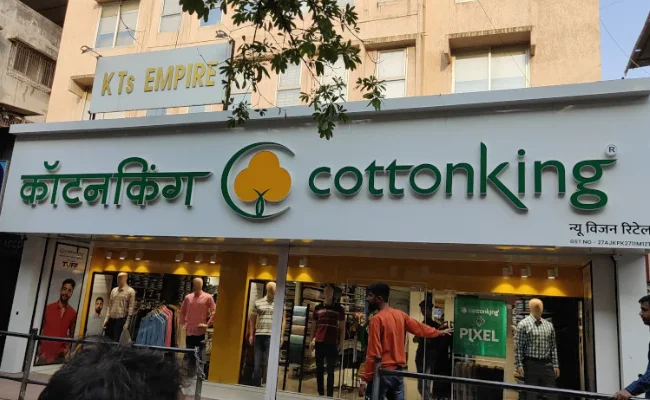
The foundation of Cotton King’s business model is specialization.
Unlike brands that sell everything from denim to jackets to winter wear, Cotton King sticks to:
- Cotton-based fabrics
- Practical designs
- All-season usability
This focus allows the company to:
- Control quality
- Reduce manufacturing complexity
- Maintain consistent pricing
- Build brand trust
Their motto is simple: “Comfort you can trust, prices you can afford.”
Target Customers of Cotton King
Cotton King clearly understands who it is serving.
Primary Target Audience:
- Middle-class Indian men
- Office employees
- Small business owners
- Teachers, bankers, and professionals
- Age group: 25–55 years
Secondary Audience:
- College students
- Gift buyers (family shopping)
- Senior citizens who prefer comfort over fashion
By targeting mass premium customers, Cotton King avoids extreme discount wars while still staying affordable.
Product Portfolio of Cotton King
Cotton King keeps its product range focused and optimized.
Core Products:
- 100% cotton formal shirts
- Casual cotton shirts
- Cotton trousers
- Cotton chinos
- T-shirts and polos
Seasonal & Add-On Products:
- Cotton kurtas
- Innerwear
- Accessories (limited)
This limited but well-curated portfolio helps reduce inventory risk and unsold stock.
How Does Cotton King Make Money?
Cotton King earns revenue through multiple structured and predictable channels, which makes its business stable.
- Direct Retail Sales (Primary Revenue Source)
The majority of Cotton King’s income comes from exclusive brand outlets (EBOs).
- Average product price range: ₹1,200 – ₹3,000
- High repeat customer rate
- Strong trust-based sales
Since cotton wear is used year-round, sales are not highly seasonal, unlike winter-heavy brands.
- Franchise Model Expansion
Cotton King follows a franchise-led retail expansion strategy.
Revenue from franchisees includes:
- Initial franchise fee of Cotton King
- Product supply margins
- Ongoing brand royalty (in some cases)
This allows Cotton King to:
- Expand faster
- Reduce capital expenditure
- Share operational risk
- In-House Manufacturing & Sourcing Advantage
Cotton King controls much of its supply chain.
- Direct sourcing of cotton fabric
- Long-term vendor relationships
- Bulk procurement
This control helps in:
- Lower production costs
- Consistent fabric quality
- Stable pricing even during inflation
- Bulk & Institutional Orders
Cotton King also supplies:
- Corporate uniforms
- School/college uniforms
- Bulk gifting orders
These bulk deals bring:
- Large volume sales
- Low marketing cost
- Guaranteed cash flow
Cost Structure of Cotton King
Understanding costs explains why Cotton King survives intense competition.
Major Cost Components:
- Fabric procurement
- Manufacturing & stitching
- Retail store rent
- Staff salaries
- Logistics & warehousing
What Keeps Costs Low:
- Limited SKU variety
- No celebrity endorsements
- Minimal digital advertising
- Efficient inventory turnover
Cotton King spends more on product quality and less on brand hype.
Profit Margins & Financial Logic
Gross Margin:
- 45% – 55% (industry competitive)
Net Profit Margin:
- 12% – 18%
Break-Even Period (Retail Store):
- 18–30 months (location dependent)
While margins may seem moderate, the key strength lies in volume + repeat customers, which ensures consistent profitability.
Why Cotton King’s Business Model Works in India
- Perfect Fit for Indian Climate
India’s hot and humid weather makes cotton a necessity, not a luxury.
- Trust-Based Brand Positioning
Customers believe Cotton King delivers genuine cotton, unlike many mixed-fabric brands.
- Affordable Premium Strategy
Not cheap, not luxury—right in the middle, where most Indian buyers are.
- Repeat Purchase Behavior
Cotton shirts wear out faster, creating natural repeat demand.
Cotton King vs Fast Fashion Brands
| Aspect | Cotton King | Fast Fashion Brands |
| Focus | Comfort & fabric | Trends |
| Pricing | Stable | Discount-driven |
| Customer loyalty | High | Low |
| Inventory risk | Low | High |
| Climate suitability | Excellent | Moderate |
Cotton King doesn’t chase trends—it builds wardrobe essentials.
Challenges & Risks in Cotton King’s Model
Despite strengths, there are challenges.
Key Risks:
- Rising cotton prices
- Competition from online brands
- Younger generation preference for trendy wear
- E-commerce adaptation speed
However, Cotton King addresses this by:
- Improving online presence
- Introducing modern fits
- Keeping core identity intact
Personal Business Insight
From a business expert’s point of view, Cotton King’s success proves one important principle:
Depth beats width in Indian retail.
Instead of selling everything to everyone, Cotton King sells one thing extremely well. This clarity reduces risk and builds long-term customer trust—something money can’t buy overnight.
In a market flooded with discounts and influencer marketing, Cotton King’s quiet consistency is its biggest strength.
Lessons for Aspiring Entrepreneurs
If you’re planning a retail or D2C brand, Cotton King offers valuable lessons:
- Specialize before you diversify
- Solve real everyday problems
- Build trust, not noise
- Control your supply chain
- Focus on repeat customers
Final Conclusion
The Cotton King business model is a classic example of how simplicity, specialization, and customer understanding can create a sustainable business in India.
By focusing on cotton clothing, controlling costs, expanding through franchises, and serving India’s mass market with honesty, Cotton King has built a profitable and scalable apparel brand.
In a world obsessed with speed and trends, Cotton King reminds us that comfort, consistency, and credibility still win.