
Biryani By Kilo (BBK) is one of India’s well-known biryani brands that serves flavourful “handi biryani” cooked fresh in individual pots. Many aspiring food entrepreneurs ask about owning a Biryani By Kilo franchise to tap into India’s growing biryani and quick-serve food market. This article explains everything you need to know: investment cost, franchise fee & royalty, profit margin & ROI, space & manpower needs, franchisor support, pros & cons, eligibility criteria, application process, risks, FAQs, and conclusion.
⚠️ Important Note: Some public sources suggest Biryani By Kilo does not currently offer open franchising as a standard model and may operate mainly through its own outlets. Verify directly with the company before investing.
🍛 Biryani By Kilo in India
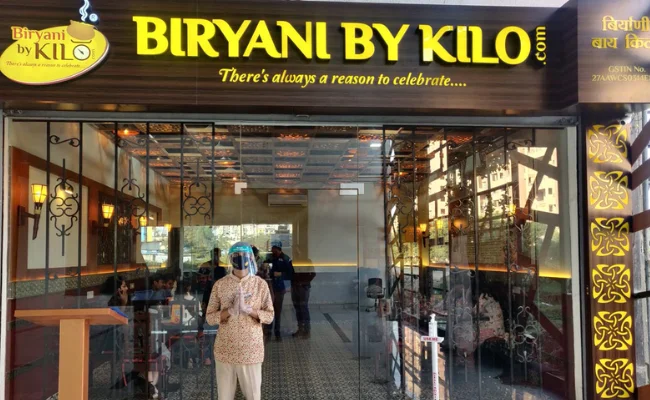
Biryani By Kilo has become popular for serving fresh, high-quality biryani in eco-friendly handis and has a strong online and offline presence across multiple cities. It attracts customers through its unique serving style, consistency, and premium position in the biryani segment.
💰 Investment Cost (INR)
If Biryani By Kilo opens official franchise partnerships, the investment depends on the business model you choose. Typical estimates seen in Indian franchise listings are:
| Franchise Model | Cost Estimate (₹) | Details |
| Cloud Kitchen / Delivery Outlet | ₹45 – ₹60 Lakh | Includes setup, equipment, and working capital |
| Dine-In + Delivery Outlet | ₹70 Lakh – ₹1 Crore | Larger setup with interiors and seating |
| Alternative Estimate (Small Format) | ₹30 – ₹41 Lakh | Lower-range estimate for compact outlets |
📌 These investments typically include franchise fee, outlet setup, equipment, initial inventory, and working capital, but exclude rent deposits and licences which vary by city and location.
💼 Franchise Fee & Royalty
🧾 Franchise Fee
- Franchise fee ranges commonly between ₹15 – ₹25 Lakh depending on outlet type and scale.
📊 Royalty & Marketing Contribution
- Most franchise agreements in the food QSR segment charge a royalty of 6 % – 8 % of monthly sales, though exact terms may vary by contract.
👉 Verify with the brand whether royalty and marketing fees apply and at what rates — these can impact overall profitability.
📈 Profit Margin & ROI
While official BBK ROI figures aren’t published publicly, industry norms for organised biryani QSR outlets give useful guidance:
| Metric | Typical Estimate |
| Net Profit Margin | ~15 % – 20 % after expenses and royalty |
| Monthly Sales Estimate | ₹15 – ₹40 Lakh (varies by model and location) |
| Break-Even / ROI | ~18 – 36 months in good locations |
📌 Profit margins depend on location, operating costs, rent, staff wages, delivery commissions, and local demand.
🏢 Space & Manpower Needs
📍 Space Requirements
| Type of Outlet | Space Needed |
| Cloud Kitchen | ~400 – 700 sq.ft* |
| Dine-In + Delivery | ~700 – 1,200 sq.ft* |
*Actual space use depends on store format, seating, and kitchen area requirements.
👥 Manpower Requirements
Typical staffing for a biryani outlet may include:
- Kitchen staff: 3 – 6 cooks/helpers
- Service / counter staff: 2 – 4 persons
- Manager / Supervisor: 1 – 2 persons
Efficient training and scheduling are key to controlling payroll costs.
🤝 Franchisor Support
Most professional food brands provide structured support for franchise partners, potentially including:
✔ Site evaluation and setup guidance
✔ Branding, interior, and signage support
✔ Training on recipes, service, and technology
✔ Marketing and launch promotional support
✔ Supply chain assistance for ingredients
These help reduce early business risk and ensure consistent quality across outlets.
👍 Pros & 👎 Cons
✅ Pros
✔ Strong brand presence and customer recall compared to independent outlets.
✔ Delivery-friendly model aligns with online food ordering trends.
✔ Structured support helps new entrepreneurs launch faster.
✔ Flexible models from cloud kitchens to dine-in.
❌ Cons
❗ High initial investment compared with street-food or small kitchens.
❗ Royalty and fees reduce net margins.
❗ Competition is intense with many biryani and QSR brands in Indian cities.
❗ Brand may not currently offer open franchising—verify before investing.
📋 Eligibility Criteria
To qualify for a Biryani By Kilo franchise (if offered), you typically need:
✔ Investment capacity: ₹45 Lakh – ₹1 Crore+ depending on model.
✔ Commercial space: High-footfall location or good delivery coverage.
✔ GST, FSSAI, and trade licences in place.
✔ Business or food service experience (preferred).
✔ Commitment to brand SOPs and quality standards.
Detailed eligibility requirements should be confirmed with the franchisor.
✍️ Application Process
Here is a typical franchise procedure for organised food brands:
- Initial Enquiry: Fill out enquiry form or contact Biryani By Kilo’s business team.
- Profile Submission: Provide investment details and proposed location.
- Site Evaluation: Brand team assesses location viability.
- Agreement: Review and sign franchise agreement with terms.
- Setup & Training: Complete outlet setup and staff training.
- Launch: Open with initial marketing and brand support.
📌 Confirm exact steps with the brand, as processes vary by company
⚠️ Risks to Consider
✔ Sales fluctuation: Demand may vary by season and location.
✔ Operational costs: Rent and staff wages can affect profits.
✔ Franchise gatekeeping: If the brand decides not to franchise publicly, opportunities may be limited.
✔ Market competition with local and branded biryani chains.
❓ FAQs (Frequently Asked Questions)
Q1. Does Biryani By Kilo offer franchise opportunities?
A: Some industry listings suggest franchise costs, but official public confirmation from BBK is limited. Always verify directly with the company.
Q2. How much does the franchise cost?
A: Typical range from ₹45 – ₹60 Lakh for cloud kitchens and ₹70 Lakh – ₹1 Cr+ for dine-in outlets.
Q3. What is the royalty fee?
A: Commonly around 6 % – 8 % of gross sales in food franchises.
Q4. How soon can I break even?
A: Typically 18 – 36 months with a strong location and cost control.
Q5. Is training provided?
A: Yes — most organised brands offer operational and service training.
🏁 Conclusion
A Biryani By Kilo franchise can be a promising venture in India’s popular biryani and food delivery market, especially if the brand opens formal franchising programs. With moderate to high investment, structured support, strong branding, and a scalable model, it suits entrepreneurs seeking entry into organised food retail. However, confirm current franchise availability and exact terms directly with the company before investing.