
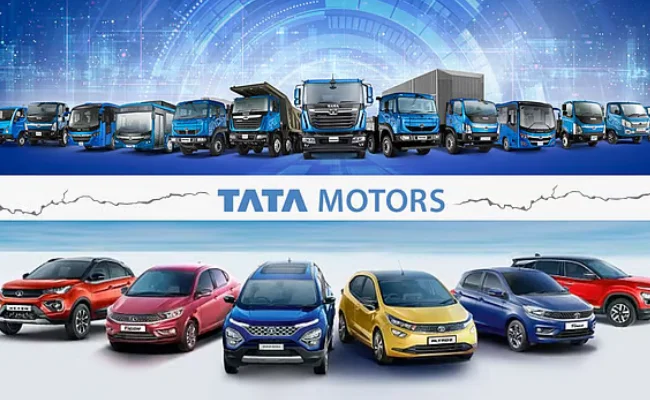
Becoming a Tata Motors franchisee (also known as opening a Tata Motors dealership) is one of the most established ways to enter the automobile retail business in India. Tata Motors is among India’s oldest and most trusted automobile brands, offering cars, SUVs, commercial vehicles, and electric vehicles (EVs). This article explains the franchise cost, fees, profit potential, space and manpower needs, franchisor support, pros & cons, eligibility criteria, application process, risks, and FAQs for those considering this investment.
🚗 Tata Motors Franchise in India
A Tata Motors franchise means becoming an authorised dealer for Tata vehicles — selling new cars, commercial vehicles, or providing service and spare parts under the Tata Motors brand. Dealers benefit from brand recognition, strong product demand, and support from one of India’s leading automotive companies.
Unlike a low-cost food or retail franchise, a Tata Motors franchise requires significant investment and infrastructural commitment because it involves showroom space, vehicle inventory, service bays, and trained technicians.
💰 Investment Cost (INR)
Here’s a detailed table showing typical investment ranges for different Tata Motors franchise formats:
| Dealership Type | Approx. Investment (INR) | Space Required |
| Passenger Vehicle Dealership | ₹4 – ₹6 Crore | 15,000 – 25,000 sq.ft. |
| Commercial Vehicle Dealership | ₹6 – ₹10 Crore | 25,000 – 40,000 sq.ft. |
| EV-Focused Showroom | ₹1.5 – ₹3 Crore | 3,000 – 5,000 sq.ft. |
| Service & Spare Parts Centre | ₹1 – ₹2 Crore | 5,000 – 10,000 sq.ft. |
| (Approximate ranges for planning; actual costs vary by city and strategy.) |
Typical Cost Components
- Franchise / License Fee: ₹20 – ₹30 Lakh (one-time)
- Showroom & Workshop Setup: ₹50 L – ₹1 Cr+
- Service Bays & Equipment: ₹1.5 – ₹2.5 Cr+
- Inventory (Initial Vehicles Stock): ₹50 L – ₹2 Cr+
- Working Capital: ₹25 – ₹50 L+
💡 In large metro cities, costs may be on the higher side due to land rents, construction, and local approvals.
📊 Franchise Fee & Royalty
Franchise Fee
Tata Motors may charge a one-time franchise or license fee in the range of ₹20 Lakh – ₹30 Lakh. This fee gives you the rights to operate an authorised dealership under the Tata Motors brand.
Royalty / Commission
Unlike food or lifestyle franchises, Tata Motors typically operates on a dealer commission/discount model rather than a fixed royalty. Dealers keep a majority of the margin (around 90 – 95%) while Tata Motors takes a smaller share (around 5 – 10%) as franchisor revenue or margin share, depending on how sales and service contracts are structured.
📈 Profit Margin & ROI
Profitability for a Tata Motors dealership comes from:
- Vehicle sales margin: Dealers may earn around 4 – 7% on each car sold (varies by model, variant, and pricing).
- Service revenue: After-sales service and spare parts sales tend to have higher margins.
- Finance & insurance commissions: Additional income from financing products and insurance.
Expected ROI
| Parameter | Typical Range |
| Net Profit Margin | 8 – 15% (varies) |
| Break-Even / ROI Period | ~3 – 5 years |
| (Dealership profitability depends on location, sales volume, services, and cost controls.) |
📌 EV-focused outlets may see higher margins early due to growing EV demand and fewer competitors.
🏢 Space & Manpower Needs
Space Requirements
| Dealership Type | Space Needed |
| Passenger Vehicle Showroom | 15,000 – 25,000 sq.ft. |
| Commercial Vehicle Outlet | 25,000 – 40,000 sq.ft. |
| EV Outlet | 3,000 – 5,000 sq.ft. |
| Service Workshop | 5,000 – 10,000 sq.ft. |
Showrooms need open parking, customer lounges, display areas, sales desks, and dedicated service bays for maintenance and repairs.
Manpower Requirements
- Sales team: 3–6 persons (varies by outlet size)
- Technicians / Mechanics: 5–10+ (more for larger workshops)
- Admin / Support: 2–4 persons for front desk, billing, and coordination.
🤝 Franchisor Support
Tata Motors provides comprehensive support to its franchise partners, including:
✔ Branding & showroom guidelines
✔ Training for sales staff and technicians
✔ Marketing support and national campaigns
✔ After-sales and technical support systems
✔ Supply chain & inventory planning tools
This support helps maintain consistent customer experience across all Tata Motors outlets.
👍 Pros & 👎 Cons
✅ Pros
✔ Strong brand recognition and customer trust across India.
✔ Wide product range: passenger cars, commercial vehicles, EVs.
✔ Multiple revenue streams: sales, service, parts, finance.
✔ Growing EV market adds future growth potential.
❌ Cons
❗ High capital investment required.
❗ Longer break-even period (3-5+ years).
❗ Operational intensity: managing inventory, services, staff.
❗ Location dependence: sales volume tied to visibility and demand.
📋 Eligibility Criteria
To qualify for a Tata Motors franchise, you generally need:
✔ Investment capacity of several crores in liquid assets.
✔ Experience in automobile sales, retail, or business operations is preferred.
✔ Strong credit profile and financial stability.
✔ Prime commercial location with adequate space and parking.
✔ Ability to obtain GST, trade license, FSSAI (if applicable), and local compliance approvals.
✍️ Application Process
Here’s how to apply for a Tata Motors franchise:
- Initial Enquiry
Contact Tata Motors’ franchise desk or authorised representatives. - Submit Business Profile
Include financial documents, proposed location, and experience. - Site Inspection & Approval
Tata evaluates the location for market potential. - Agreement Signing
Review franchise terms, fees, and obligations. - Setup & Training
Complete showroom construction and staff training. - Launch & Operations
Start sales and after-sales services under Tata Motors brand.
⚠️ Risks to Consider
- Market cycles and automobile demand fluctuations can impact sales.
- High operating costs (rent, labour, utilities) impact profitability.
- Competition from other OEM dealerships and online car buying platforms.
- Economic slowdown may delay ROI.
❓ FAQs (Frequently Asked Questions)
Q1. How much does a Tata Motors franchise cost in India?
A: Depending on type, ₹1.5 Cr to ₹10 Cr+ (or more) including showroom, workshop, inventory, and working capital.
Q2. Is a royalty charged?
A: Dealers typically make most revenue through commissions (~90–95% share), with Tata taking a small share.
Q3. How long until break-even?
A: Around 3 – 5 years with solid sales and service volumes.
Q4. What space is needed?
A: 3,000 – 40,000 sq.ft. depending on whether it’s a full passenger, commercial, or EV showroom plus service centre.
🏁 Conclusion
A Tata Motors franchise represents a major opportunity in the Indian automobile retail sector with strong brand backing and multiple revenue streams. The investment is substantial and requires careful planning, but with the right location, financial strength, and operational management, it can become a long-term business asset. Always verify official terms directly with Tata Motors and consult financial or legal advisors before committing.
 Akshay Kumar