
India’s health-food and smoothie market has grown rapidly in recent years. Young consumers are becoming more health-conscious, gym culture is expanding, and demand for healthy beverages is increasing in cities as well as tier-2 towns. Because of this trend, smoothie and healthy café brands have gained strong popularity across the country.
One of the well-known brands in this category is Drunken Monkey. Many entrepreneurs are now interested in understanding the Drunken Monkey franchise cost, profit potential, and business model before investing.
If you are planning to enter the food and beverage industry with a healthy café concept, this detailed guide explains everything you should know about starting a Drunken Monkey franchise in India.
What Is Drunken Monkey?
Drunken Monkey is an Indian smoothie and healthy food chain known for its fresh fruit smoothies, protein shakes, smoothie bowls, sandwiches, and healthy snacks.
The brand focuses on:
- Fresh ingredients
- Healthy lifestyle products
- Fitness-oriented customers
- Quick-service café operations
Its outlets are commonly found near:
- Gyms
- Colleges
- IT parks
- Shopping areas
- High streets
The company follows a franchise-based expansion model across India.
Drunken Monkey Franchise Cost in India
The total investment required depends on multiple factors such as city, outlet size, rental deposit, interiors, and equipment quality.
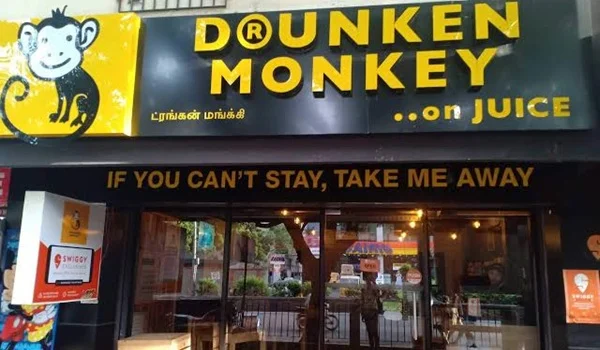
Generally, the investment is lower than a full-service restaurant but higher than a basic juice stall because the brand focuses on modern café-style presentation and premium interiors.
Estimated Investment Breakdown
| Expense Category | Estimated Cost (INR) |
| Franchise Fee | ₹4 lakh – ₹8 lakh |
| Interior Setup | ₹5 lakh – ₹12 lakh |
| Kitchen Equipment | ₹3 lakh – ₹7 lakh |
| Furniture & Branding | ₹2 lakh – ₹5 lakh |
| Security Deposit | ₹1 lakh – ₹4 lakh |
| Initial Inventory | ₹50,000 – ₹1.5 lakh |
| Licenses & Registrations | ₹50,000 – ₹1 lakh |
| Marketing & Launch | ₹50,000 – ₹2 lakh |
| Working Capital | ₹2 lakh – ₹5 lakh |
Total Estimated Investment
- Small Kiosk Format: ₹10 lakh – ₹15 lakh
- Standard Café Outlet: ₹18 lakh – ₹30 lakh
- Premium Large Outlet: ₹30 lakh+
The final cost depends heavily on rent and store size.
Franchise Fee and Royalty Charges
The franchisor generally charges an initial franchise fee for using the brand name, recipes, and business systems.
Estimated Franchise Fee
- Approximately ₹4 lakh to ₹8 lakh
This fee is usually paid upfront and may not be refundable.
Royalty Charges
Most food franchise businesses charge royalty on sales.
Typical royalty range:
- 5% to 8% of monthly revenue
Some companies may additionally charge:
- Technology fee
- Marketing contribution
- Supply-chain margins
Always read the franchise agreement carefully before investing.
Space Requirements for Drunken Monkey Franchise
The smoothie café business does not require extremely large space, but proper visibility and customer accessibility are very important.
Recommended Space
| Outlet Type | Approximate Area |
| Kiosk Model | 100 – 150 sq. ft. |
| Compact Store | 200 – 400 sq. ft. |
| Café Model | 500 – 1000 sq. ft. |
Ideal Locations
A Drunken Monkey outlet may perform better in:
- Gym areas
- College zones
- Corporate hubs
- Shopping streets
- Mall food courts
- Residential premium areas
Health-focused consumers are the main target audience.
Manpower Requirements
Smoothie and café businesses usually operate with a small team.
Staff Requirement
| Position | Number of Employees |
| Smoothie Maker | 1 – 2 |
| Counter Staff | 1 – 2 |
| Kitchen Helper | 1 |
| Store Manager | 1 (optional) |
A small outlet can operate efficiently with 3–4 employees.
Profit Margin in Drunken Monkey Franchise
Healthy beverages generally have good gross margins because ingredient costs are moderate compared to selling prices.
Gross Margin
The gross margin on smoothies and beverages may range between:
- 55% to 70%
However, operational expenses reduce net profit.
Net Profit Margin
A properly managed outlet may achieve:
- 12% to 20% net profit margin
This depends on:
- Rental cost
- Daily footfall
- Delivery orders
- Staff salaries
- Food wastage
- Competition
Profitability can vary significantly from one city to another.
Return on Investment (ROI)
The payback period depends mainly on location quality and customer volume.
Sample Revenue Estimate
| Business Metric | Approximate Range |
| Average Daily Customers | 70 – 150 |
| Average Bill Value | ₹180 – ₹350 |
| Estimated Monthly Sales | ₹4 lakh – ₹12 lakh |
Estimated ROI Timeline
Most successful outlets may recover investment within:
- 18 to 36 months
This is only a general estimate and not a guaranteed income projection.
Franchisor Support Offered
One major advantage of joining a franchise network is operational support.
Common Support Areas
- Location Selection Assistance
The company may help franchisees evaluate:
- Footfall
- Visibility
- Demographics
- Competitor presence
- Store Design & Setup
Support usually includes:
- Interior layouts
- Kitchen planning
- Branding materials
- Equipment guidance
- Staff Training
Training programs generally cover:
- Smoothie preparation
- Hygiene standards
- Customer service
- Inventory handling
- POS billing systems
- Supply Chain Support
The franchisor may provide access to:
- Ingredients
- Packaging materials
- Branding supplies
- Recipe systems
- Marketing Assistance
Support may include:
- Social media promotions
- Launch campaigns
- Festival offers
- Delivery app onboarding
Online food delivery plays a major role in café businesses today.
Popular delivery platforms include:
- Swiggy
- Zomato
Eligibility Criteria for Franchise Applicants
The company generally looks for financially stable and operationally committed franchise partners.
Basic Eligibility
Applicants usually need:
- Sufficient investment capability
- Interest in food business
- Ability to manage daily operations
- Suitable commercial property
- Good local market understanding
Prior food industry experience can help but may not always be mandatory.
Documents Required
The franchise process requires standard business and identity documents.
Commonly Required Documents
| Document | Purpose |
| PAN Card | Tax verification |
| Aadhaar Card | Identity proof |
| Address Proof | Residential verification |
| Bank Statements | Financial capability |
| GST Registration | Business taxation |
| Shop Lease Agreement | Property proof |
| Business Registration | Legal compliance |
| Passport Photos | Documentation |
Some franchisors may ask for additional financial documents.
Step-by-Step Application Process
The franchise onboarding process usually involves several stages.
Step 1: Submit Inquiry
You can apply through:
- Official company website
- Franchise portals
- Business expos
Step 2: Initial Discussion
The company evaluates:
- Your investment budget
- Business interest
- Proposed city/location
Step 3: Location Approval
The franchisor studies:
- Customer traffic
- Nearby competition
- Rental economics
- Accessibility
Step 4: Franchise Agreement
The legal agreement covers:
- Franchise tenure
- Royalty structure
- Operational rules
- Branding policies
Always review agreements carefully before signing.
Step 5: Outlet Setup
This stage includes:
- Interior work
- Equipment installation
- Branding setup
- Staff recruitment
Step 6: Training & Launch
Staff training is completed before the official opening.
Advantages of Starting a Drunken Monkey Franchise
- Growing Health Beverage Market
Indian consumers are becoming more health-conscious, especially in metro cities.
- Strong Youth Appeal
Smoothies and protein shakes are popular among:
- Students
- Fitness enthusiasts
- Office workers
- Delivery-Friendly Model
Smoothies and bowls work well on online delivery apps.
- Lower Investment Than Restaurants
Compared to large restaurants, smoothie cafés require relatively lower investment.
- Brand Recognition
An established brand may attract customers faster than an unknown local outlet.
Risks and Challenges
No business is completely risk-free.
- High Rental Costs
Prime locations can increase monthly operational pressure.
- Seasonal Demand Variations
Cold beverages may see lower demand during certain seasons.
- Increasing Competition
The healthy café market is becoming crowded with:
- Juice bars
- Protein cafés
- Coffee chains
- Local smoothie brands
- Dependence on Footfall
Walk-in customers are important for café profitability.
- Delivery Commission Costs
Food delivery platforms charge commissions that reduce final profit margins.
- Food Wastage
Fresh fruits and dairy products have limited shelf life.
Inventory management becomes very important.
Important Tips Before Investing
Study Your Local Market
Understand whether your city has enough demand for premium health beverages.
Select Location Carefully
A smaller outlet in a high-footfall area may perform better than a bigger outlet in a weak location.
Understand Total Monthly Expenses
Calculate:
- Rent
- Salaries
- Electricity
- Delivery commissions
- Royalty fees
before investing.
Focus on Customer Retention
Healthy café businesses grow strongly through repeat customers.
Plan Working Capital Properly
Many new outlets underestimate initial operating expenses.
Is Drunken Monkey Franchise Worth It?
For entrepreneurs interested in the growing healthy food segment, a smoothie café franchise can be an attractive opportunity.
The business model benefits from:
- Rising health awareness
- Urban lifestyle trends
- Fitness culture growth
- Increasing online delivery demand
However, profitability depends largely on:
- Location quality
- Expense control
- Operational consistency
- Customer experience
It is important to approach the business with realistic expectations instead of expecting quick profits.
Frequently Asked Questions (FAQs)
Q: How much does a Drunken Monkey franchise cost in India?
A: The estimated investment generally ranges between ₹10 lakh and ₹30 lakh depending on outlet size and city.
Q: What is the franchise fee?
A: The franchise fee may range from ₹4 lakh to ₹8 lakh approximately.
Q: What profit margin can franchise owners expect?
A: Net profit margins may range between 12% and 20% for efficiently managed outlets.
Q: Is prior food business experience required?
A: Not always, though business management skills can be helpful.
Q: How much space is needed?
A: Most outlets require around 100 to 500 sq. ft., depending on the business model.
Q: How long does it take to recover investment?
A: Investment recovery may take around 18 to 36 months based on sales performance.
Q: Does the franchisor provide training?
A: Yes, most franchise systems provide operational and staff training support.
Conclusion
The Drunken Monkey franchise business represents an interesting opportunity in India’s fast-growing health and wellness food sector. With increasing demand for healthy beverages, smoothie bowls, and fitness-focused cafés, the market potential continues to grow across metro and tier-2 cities.
Compared to large restaurant businesses, the investment is relatively moderate, and operations are simpler to manage. However, success depends heavily on choosing the right location, maintaining product quality, managing expenses carefully, and delivering consistent customer service.
Before investing, entrepreneurs should carefully analyze local competition, understand all franchise costs, review the agreement thoroughly, and prepare sufficient working capital. A well-managed outlet with realistic planning can become a sustainable long-term business opportunity in the Indian café market.