
Are you thinking about starting a shawarma franchise in India? Shawarma outlets are growing fast as quick service restaurants (QSR) thanks to their low per-unit cost, strong demand among youth, and easy-to-serve menu. This article covers investment cost (INR), franchise fee & royalty, profit potential, space & manpower needs, support, pros & cons, eligibility, risks, FAQs, and how to apply.
Why Shawarma Franchise in India?
Shawarma has become one of India’s favourite street-to-QSR fast foods, popular among students, office workers, and food delivery customers. Multiple Indian brands now offer franchise opportunities, making it possible for new entrepreneurs to enter this segment with proven systems and support.
Investment Cost (INR) — What You Need to Start
The investment can vary widely depending on the brand, store format (kiosk/takeaway, cafe, dine-in), and location (mall vs street). Below is a practical range based on popular brands:
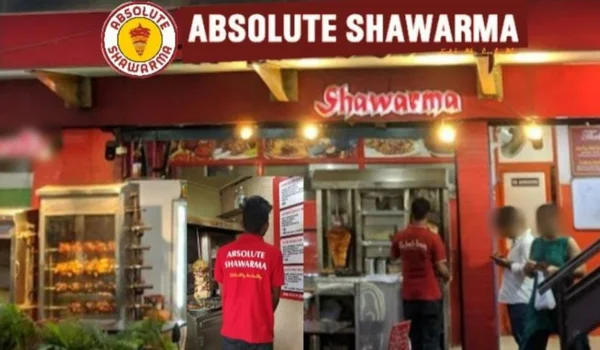
📊 Shawarma Franchise Investment Range (India)
| Brand / Model | Estimated Investment (INR) | Notes |
| Shawarma Life – Kiosk | ₹3.5 Lakh+ | Small footprint 100–200 sq.ft |
| Shawarma Life – Cafe | ₹7 Lakh+ | Larger dine-in format |
| Absolute Shawarma | ₹5–10 Lakh | Franchise fee included; no offline royalty |
| Zwarma | ₹6–9 Lakh | Kiosk to dine-in models |
| Shawarma Hut | ₹1.7 Lakh+ | Very low cost entry model |
| GrillNights | ₹1 Lakh to ₹5 Lakh+ | Multiple formats from cart to premium |
| Qubz | ₹10 Lakh+ | Franchise fee ~ ₹3 Lakh |
| Shawarma House (Premium) | ₹20–28 Lakh | Larger dine-in model |
Space Required
- Small kiosk/takeaway: ~100–200 sq.ft
- Cafe/dine-in: ~200–400+ sq.ft
- Premium dine-in: ~400–800 sq.ft
Costs vary by city, rent levels, interiors, and equipment. Prime locations like malls or busy streets increase upfront costs.
Franchise Fee & Royalty
Franchise Fees
Different brands charge different fees:
- Low-cost brands: ₹1 Lakh – ₹3 Lakh | e.g., Shawarma Life, Qubz
- Mid-range: ₹2.5 L – ₹3 L+ | Zwarma, Absolute Shawarma
- Premium dine-in brands: Often included in total cost or negotiated
Royalty Fees
- No royalty offline: Absolute Shawarma and many low-cost models don’t charge royalty on offline sales
- Royalty on online sales: Some brands apply ~5% royalty on app orders
- Flat royalty / share models: Some may charge a % of monthly sales or fixed fees depending on agreement.
Always verify exact terms before signing.
Profit Margin & ROI
Profit margins in food QSR depend on location, pricing, food cost, and operating efficiency.
Typical Profit Expectations
| Metric | Range (India) |
| Gross Margin | ~60–70% (food cost dependent) |
| Net Margin | ~15–30% (after rent & salaries) |
| Break-even | ~10–24 months |
For example, a low-cost shawarma kiosk doing moderate sales sees margins in the 20%+ range once stabilised. Actual results vary with location and operations.
Space & Manpower Needs
Space Needs
- Kiosk/Cart: ~100–200 sq.ft
- Takeaway/Cafe: ~200–400 sq.ft
- Dine-in: 400 sq.ft and above
Manpower
- 2–5 staff recommended: cook, helper, cashier/attendant
- Franchise owner or manager can oversee daily ops
Efficient staffing and lean operations help maintain profit margins.
Franchisor Support You Get
Most shawarma franchisors offer:
✔ Brand name and marketing help
✔ Site selection support guidance
✔ Menu standardisation & recipes
✔ Kitchen training and SOP manuals
✔ Tech support for billing/delivery partners
Training and supply chain assistance is crucial for new entrepreneurs.
Pros & Cons — Honest View
Pros
✅ Low-cost entry compared to many food franchises
✅ Fast service food — high appeal for youth & delivery
✅ Multiple format options (kiosk, cafe, dine-in)
✅ Growing Indian fast food market
Cons
❌ High competition in shawarma & wraps segment
❌ Profit sensitive to rent and labour costs
❌ Food quality & consistency crucial for repeat business
❌ Online delivery commissions can reduce net margins
Eligibility Criteria
To qualify for a shawarma franchise, you typically need:
✔ Minimum investment capital (varies by brand)
✔ Suitable outlet space in high-traffic area
✔ Legal business compliance (licenses, GST, FSSAI)
✔ Willingness to follow brand SOPs
✔ Basic managerial capability or hiring team
Retail or food experience is helpful but not always required.
Application Process — Step by Step
Step 1: Contact the franchisor via official website or enquiry form.
Step 2: Submit your business plan, location details, and financials.
Step 3: Get a site assessment and approval from the franchise team.
Step 4: Review and sign the franchise agreement.
Step 5: Setup outlet — interiors, equipment, staff training.
Step 6: Launch and start operations with marketing support.
Always read the franchise agreement carefully and consult a business advisor.
Risks to Consider
⚠ Location risk: Bad location leads to low footfall.
⚠ Rent & overheads: High rent reduces margins.
⚠ Food quality: Poor quality hurts reputation.
⚠ Seasonality & competition: Food delivery and eat-in trends change.
Mitigate risks with careful planning, staff training, and local marketing.
Frequently Asked Questions (FAQs)
Q1. What is the lowest investment for a shawarma franchise?
A: ₹1.7–3.5 Lakh for basic kiosk or cart models.
Q2. Do all brands charge royalty?
A: No. Some brands don’t charge royalty on offline sales — check each brand’s terms.
Q3. How soon can I break even?
A: Typically 10–24 months depending on sales and costs.
Q4. Can I start with a cloud kitchen model?
A: Some brands support delivery-only cloud kitchen formats.
Q5. Do I need FSSAI & GST licences?
A: Yes — food safety and tax registrations are mandatory before operation.
Conclusion
A shawarma franchise in India can be a low-to-moderately priced entry into the fast food industry with solid demand and multiple format options. Success depends on right location selection, operational control, food quality, and marketing. Avoid exaggerated earnings claims and plan based on realistic costs and margin assumptions.
 Akshay Kumar