
India’s quick service restaurant (QSR) market has exploded over the last decade, but only a few brands manage to crack the perfect balance between taste, affordability, and scalability. Kathi Junction is one such brand. What started as a simple idea—serving delicious, hygienic kathi rolls at affordable prices—has grown into a recognizable QSR chain across multiple Indian cities.
From a business point of view, Kathi Junction is a textbook example of a low-cost, high-volume food model that works exceptionally well in India’s price-sensitive market. In this article, I’ll break down Kathi Junction’s business model, revenue streams, cost structure, and the key reasons it consistently makes money, in a simple, personal, and engaging way.
Introduction to Kathi Junction
Kathi Junction is a QSR and takeaway-focused brand known primarily for:
- Kathi rolls
- Wraps
- Frankies
- Quick snacks
- Beverages
The brand appeals strongly to:
- Students
- Office-goers
- Young professionals
- Late-night food lovers
Its biggest strength is offering filling meals at pocket-friendly prices, which naturally leads to repeat customers.
Understanding Kathi Junction’s Core Business Model
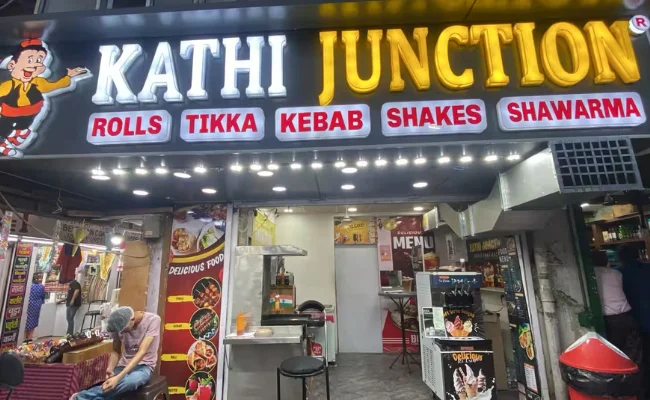
Kathi Junction follows a standardized QSR franchise model, built on five strong pillars:
- Focused Menu (Rolls & Wraps)
- High Volume, Low Ticket Size
- Small Outlet Format
- Centralized Supply Chain
- Franchise-Led Expansion
Instead of being everything to everyone, Kathi Junction sticks to one core product category and executes it extremely well.
- Kathi Rolls – The Heart of Revenue
The foundation of Kathi Junction’s business is its kathi rolls and wraps.
Popular Menu Items:
- Paneer rolls
- Chicken rolls
- Egg rolls
- Veg cheese rolls
- Spicy tandoori wraps
- Frankies and fusion rolls
Why Rolls Are a Great Business Product:
- Easy to prepare
- Quick service time
- Low wastage
- Portable and delivery-friendly
👉 Margin Insight:
Kathi rolls typically offer gross margins of 55%–65%, especially when ingredients are centrally sourced.
- Affordable Pricing – The Volume Game
Kathi Junction’s pricing strategy is designed for maximum footfall.
Typical Price Range:
- ₹70–₹180 per roll (location dependent)
This pricing makes the brand:
- Student-friendly
- Suitable for daily consumption
- Attractive for quick meals
Instead of earning big margins per customer, Kathi Junction focuses on selling more units per day.
- Add-On Sales – Boosting Average Bill Value
A smart part of Kathi Junction’s revenue strategy is add-on selling.
High-Margin Add-Ons:
- Extra cheese
- Extra fillings
- Fries
- Cold drinks
- Combos and meal deals
Even small add-ons significantly improve profitability without adding major costs.
- Small Outlet Format – Lower Fixed Costs
Kathi Junction outlets are usually:
- 150–300 sq. ft.
- Takeaway-focused
- Minimal seating or no seating
Why This Works:
- Lower rent
- Fewer staff members
- Faster service
- Easier scalability
Lower fixed costs mean faster breakeven for franchisees, making the brand attractive for expansion.
- Centralised Supply Chain – Consistency & Cost Control
Kathi Junction relies heavily on centralised sourcing for:
- Sauces
- Gravies
- Spices
- Standard fillings
Business Benefits:
- Consistent taste across locations
- Reduced raw material cost
- Minimal chef dependency
- Easier staff training
Standardisation is one of the biggest profit protectors in QSR businesses.
- Online Delivery – An Important Revenue Layer
Kathi Junction has embraced food delivery platforms like:
- Swiggy
- Zomato
Why Delivery Works Well:
- Rolls travel well
- Packaging is simple
- Quick preparation fits delivery timelines
Online orders often contribute 25%–40% of total sales, especially in metro and tier-2 cities.
- Franchise Model – How Kathi Junction Scales & Earns
Kathi Junction primarily grows through franchising, which is where the brand itself makes steady income.
Franchise Revenue Sources:
- Initial franchise fee
- Monthly royalty
- Supply of raw materials
- Branding and marketing support
Why Franchisees Choose Kathi Junction:
- Low setup cost
- Quick ROI potential
- Simple operations
- Strong demand for rolls
This creates a win-win model for both the brand and franchise partners.
Cost Structure of Kathi Junction
Understanding expenses explains why the model works.
Major Cost Heads:
- Raw Materials
- Bread/roti
- Fillings (paneer, chicken, egg)
- Sauces and vegetables
- Rent
- Small outlet reduces burden
- Staff Salaries
- 2–4 staff members usually sufficient
- Utilities
- Electricity and gas
- Aggregator Commission
- Swiggy/Zomato fees
Because costs are tightly controlled, even moderate daily sales can lead to profitability.
Profit Margins & Earnings Potential
While actual numbers vary, industry insights suggest:
- Gross Margin: 55%–65%
- Net Profit Margin: 18%–28% (well-managed outlets)
Profitability depends on:
- Location footfall
- Online order mix
- Rent efficiency
- Add-on sales performance
Why Kathi Junction’s Business Model Works in India
- India Loves Rolls
Rolls are filling, affordable, and portable—perfect for Indian eating habits.
- Price-Sensitive Market Fit
The brand understands middle-class and student budgets.
- Fast Service
Quick preparation ensures high customer turnover.
- Easy Replication
Simple SOPs make scaling smooth.
- Strong Late-Night Demand
Rolls are popular during late hours, increasing sales windows.
Challenges Faced by Kathi Junction
Despite its strengths, challenges exist.
Key Challenges:
- Intense competition from local roll stalls
- Staff turnover
- Maintaining hygiene standards across franchises
- Rising ingredient prices
However, Kathi Junction’s branding, consistency, and franchise support help mitigate these risks.
Lessons for Aspiring Food Entrepreneurs
Kathi Junction teaches valuable lessons:
- Focus on one core product
- Keep operations simple
- Control fixed costs
- Design menu for delivery
- Volume can beat margins
Final Thoughts
Kathi Junction is a strong example of how a focused, affordable, and standardized QSR model can succeed in India’s competitive food market. By mastering one product category and building systems around it, the brand has created a profitable and scalable business.
For aspiring entrepreneurs, the biggest takeaway is clear:
👉 You don’t need a big menu or fancy interiors—clarity, consistency, and cost control are enough to build a winning food brand.