
In India’s rapidly evolving food and beverage (F&B) landscape, cafes are no longer just places to drink coffee—they have become social hubs, workspaces, and lifestyle statements. Amid global giants and premium café chains, Ajay’s Cafe represents a smart, locally rooted café business model that focuses on affordability, familiarity, and volume-driven profitability.
What makes Ajay’s Cafe interesting from a business point of view is that it doesn’t try to compete directly with high-end international brands. Instead, it taps into India’s middle-class mindset, regional tastes, and value-for-money expectations. In this article, I’ll explain Ajay’s Cafe’s business model, revenue sources, cost structure, and the real reasons behind its earnings, in a clear and engaging manner.
Introduction to Ajay’s Cafe
Ajay’s Cafe typically operates as a neighbourhood café or small chain, popular in urban and semi-urban areas. Unlike luxury cafés, Ajay’s Cafe focuses on:
- Affordable pricing
- Indianised café menu
- High repeat footfall
- Comfortable but simple ambience
The target audience includes:
- College students
- Office-goers
- Families
- Freelancers and casual meet-ups
This positioning itself plays a major role in how the business makes money.
Understanding Ajay’s Cafe Business Model
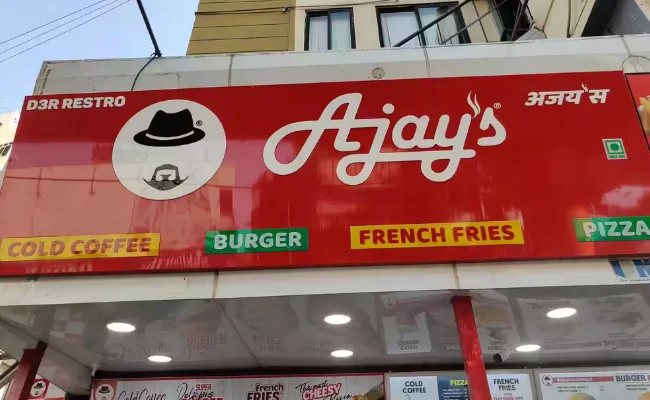
Ajay’s Cafe follows a value-based café business model, built on four core pillars:
- Affordable Food & Beverages
- High Volume Sales
- Low-to-Moderate Operating Costs
- Local Market Customisation
Instead of earning through high margins per item, Ajay’s Cafe focuses on selling more items to more people every day.
- Beverage Sales – The Core Revenue Driver
Like any café, beverages form the backbone of Ajay’s Cafe’s revenue.
Popular Beverage Items:
- Tea (cutting, masala, ginger)
- Filter coffee / regular coffee
- Cold coffee
- Chocolate beverages
- Milkshakes
- Seasonal drinks
Why Beverages Are Profitable:
- Low raw material cost
- Fast preparation time
- High daily demand
- Minimal wastage
👉 Margin Insight:
A cup of tea or coffee that costs ₹8–₹12 to prepare can easily sell for ₹30–₹80, resulting in gross margins of 60% or more.
This makes beverages the most consistent and predictable income source for Ajay’s Cafe.
- Snacks & Light Meals – Volume-Based Earnings
Ajay’s Cafe does not rely only on beverages. Snacks play a huge role in increasing the average bill value.
Common Snack Items:
- Sandwiches
- Burgers
- Patties
- Fries
- Maggi / pasta
- Pizza slices
- Garlic bread
These items are:
- Easy to prepare
- Low-skill dependent
- Suitable for quick service
Business Advantage:
Most customers order at least one snack along with a beverage, automatically increasing revenue per customer.
- Indianised Menu – Local Taste, Higher Acceptance
One of Ajay’s Cafe’s strongest strategies is Indian taste customisation.
Instead of relying purely on Western café food, it includes:
- Masala chai
- Butter toast
- Veg rolls
- Paneer-based snacks
- Spicy sauces and flavours
This attracts a wider audience, including people who may not prefer expensive cappuccinos or exotic food items.
- Affordable Pricing Strategy – The Middle-Class Magnet
Ajay’s Cafe keeps its prices intentionally affordable.
Why This Works:
- Encourages repeat visits
- Increases footfall
- Reduces customer hesitation
- Suitable for daily consumption
In India, businesses that price products for daily use instead of occasional luxury often enjoy better long-term stability.
- Dine-In + Takeaway Model
Ajay’s Cafe usually follows a hybrid service format:
- Small dine-in seating
- Strong takeaway focus
- Increasing online delivery presence
Revenue Benefit:
- Dine-in builds brand experience
- Takeaway increases speed and volume
- Online delivery expands reach without bigger space
Even a small café can generate solid daily revenue by smartly balancing these three channels.
- Online Food Delivery – Additional Income Stream
Most Ajay’s Cafe outlets are listed on:
- Swiggy
- Zomato
While commissions are high, online orders help in:
- Better utilisation of kitchen
- Non-peak hour sales
- Brand visibility
Online delivery typically contributes 15–25% of total sales, especially in metro and tier-2 cities.
Cost Structure of Ajay’s Cafe
Understanding expenses is crucial to understanding profits.
Major Costs Include:
- Rent
- Usually moderate due to smaller space
- Located near colleges, offices, or residential areas
- Raw Materials
- Milk, tea, coffee, bread, vegetables
- Easy local sourcing reduces logistics cost
- Staff Salaries
- Limited staff
- Multi-tasking roles
- Utilities
- Electricity
- Water
- Gas
- Packaging
- Cups, boxes, takeaway bags
Ajay’s Cafe remains profitable because it keeps fixed costs under tight control.
Profit Margins & Earnings Potential
While exact numbers vary by location, a well-run Ajay’s Cafe can achieve:
- Gross Margin: 55%–65%
- Net Profit Margin: 15%–25%
Daily sales depend on:
- Footfall
- Location
- Menu pricing
- Operating hours
Cafes near colleges or office hubs often perform better due to consistent demand.
Why Ajay’s Cafe Business Model Works in India
- Price Sensitivity Friendly
India is a value-driven market. Ajay’s Cafe understands this well.
- Habit-Based Consumption
Tea, coffee, and snacks are daily habits—not luxury purchases.
- Scalable Model
The same format can be replicated easily in other localities.
- Low Entry Barrier
Compared to fine-dining restaurants, cafes are easier to set up and manage.
- Community Connection
Local cafes often become neighbourhood hangout spots, increasing loyalty.
Challenges Faced by Ajay’s Cafe
No business model is without challenges.
Key Challenges Include:
- Rising milk and raw material prices
- Competition from roadside tea stalls
- Food aggregator commissions
- Staff turnover
- Maintaining taste consistency
However, strong daily cash flow and repeat customers help absorb these risks.
Lessons for Aspiring Cafe Entrepreneurs
Ajay’s Cafe offers practical lessons for anyone planning to start a café:
- Don’t over-invest in interiors initially
- Focus on taste and pricing
- Location matters more than branding
- Control costs before chasing expansion
- Build regular customers, not just Instagram appeal
Final Thoughts
Ajay’s Cafe is a great example of how a simple, locally adapted café business can survive and grow in India’s competitive F&B market. Its success lies not in luxury branding, but in understanding Indian consumer psychology—affordable prices, familiar tastes, and comfort.
In a country where chai and snacks are emotions, Ajay’s Cafe turns everyday habits into a sustainable business.
For aspiring entrepreneurs, this model proves one important truth:
👉 You don’t need to be premium to be profitable—you need to be relevant.