
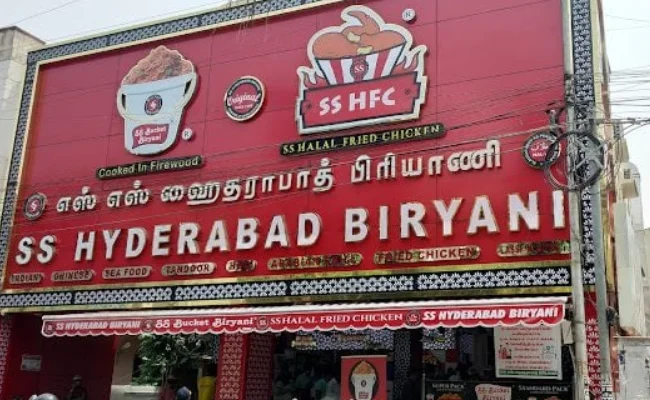
In India’s fiercely competitive food industry, where new biryani outlets open and shut every month, very few local brands manage to grow into recognizable, profitable chains. One such name that has quietly built a loyal following—especially in North India—is SS Hyderabad Biryani. Unlike flashy cloud-kitchen startups or heavily funded QSR brands, SS Hyderabad Biryani follows a ground-level, operations-first business model rooted in authentic taste, value pricing, and high volume.
As a business expert studying Indian food businesses, I find SS Hyderabad Biryani interesting because it represents how traditional Indian food can scale sustainably without heavy tech or celebrity branding. Let’s break down SS Hyderabad Biryani’s business model and clearly understand how it makes money.
What Is SS Hyderabad Biryani?
SS Hyderabad Biryani is a Hyderabadi-style biryani restaurant brand operating primarily through:
- Dine-in outlets (small to mid-size)
- Takeaway counters
- Online food delivery platforms
The brand focuses on authentic dum-style biryani, generous portions, and affordable pricing. Unlike premium biryani brands, SS Hyderabad Biryani targets mass consumers, making it a volume-driven business.
Core Idea Behind SS Hyderabad Biryani’s Business Model
The heart of SS Hyderabad Biryani’s model lies in selling high volumes at controlled margins.
Instead of:
- Expensive interiors
- Premium packaging
- Heavy marketing spends
SS Hyderabad Biryani invests in:
- Taste consistency
- Fast kitchen operations
- Strategic locations with heavy footfall
This allows the brand to generate steady daily cash flow.
How Does SS Hyderabad Biryani Make Money? (Clear Revenue Streams)
- Sale of Biryani Plates (Primary Revenue Source)
The biggest revenue source is the direct sale of biryani plates.
Popular offerings:
- Chicken Dum Biryani
- Mutton Biryani
- Special SS Biryani
- Family packs
The pricing is affordable, encouraging:
- Repeat customers
- Group orders
- Office and party bulk purchases
👉 Biryani plates contribute nearly 70–75% of total revenue.
- Dine-In & Takeaway Sales
Unlike cloud-kitchen-only brands, SS Hyderabad Biryani benefits from:
- Walk-in customers
- Takeaway orders
- Local loyalty
Dine-in helps:
- Reduce delivery commissions
- Improve margins
- Build neighborhood trust
Takeaway packaging costs are low, further improving profitability.
- Online Food Delivery Platforms
SS Hyderabad Biryani is listed on:
- Zomato
- Swiggy
While delivery platforms charge commissions, they provide:
- Wider reach
- Order volume during off-peak hours
- Brand discovery for new customers
Online orders act as a volume booster, even if margins are slightly lower.
- Side Dishes & Add-Ons
SS Hyderabad Biryani increases order value through:
- Kebabs
- Salan and raita
- Soft drinks
- Desserts (limited)
Add-ons have higher margins compared to biryani itself and improve per-order profitability.
- Family Packs & Bulk Orders
Bulk packs are a smart revenue strategy.
- Higher ticket size
- Lower per-plate cost
- Faster inventory movement
These packs are popular for:
- Office lunches
- House parties
- Events
Cost Structure of SS Hyderabad Biryani
Understanding costs explains why this business works.
Major expenses include:
- Raw materials (rice, meat, spices)
- Kitchen staff wages
- Outlet rent
- Utilities (gas, electricity)
- Platform commissions
However, SS Hyderabad Biryani controls costs by:
- Buying raw materials in bulk
- Using standardized recipes
- Limiting menu items
This keeps food cost ratios under control.
Role of Location in Profitability
SS Hyderabad Biryani outlets are usually located in:
- Busy local markets
- Near offices or colleges
- High residential density areas
These locations ensure:
- Continuous footfall
- High order frequency
- Lower marketing dependency
Location is a critical profit driver.
Marketing Strategy: Taste Is the Brand
SS Hyderabad Biryani spends very little on advertising.
Key marketing drivers:
- Word-of-mouth
- Taste consistency
- Affordable pricing
- Visible kitchen activity
Regular customers become unpaid brand ambassadors.
Target Customer Segment
SS Hyderabad Biryani targets:
- Office-goers
- Students
- Families
- Daily wage workers
These customers value:
- Filling portions
- Authentic taste
- Reasonable pricing
This creates high repeat business, which is essential for restaurant profitability.
Scalability of the SS Hyderabad Biryani Business Model
The model scales well because:
- Menu is standardized
- Cooking process is repeatable
- Capital requirement is moderate
Many outlets expand through:
- Company-owned stores
- Franchise-style partnerships
Expansion focuses on operational control rather than speed.
Challenges in SS Hyderabad Biryani’s Business Model
No food business is risk-free.
Key challenges:
- Rising meat and rice prices
- Hygiene and quality control
- Competition from premium biryani brands
- Dependence on skilled cooks
However, loyal customer base provides stability.
SS Hyderabad Biryani vs Premium Biryani Brands
Unlike Behrouz or Biryani By Kilo:
- SS Hyderabad Biryani focuses on mass pricing
- Relies on dine-in + takeaway
- Prioritizes quantity and taste over packaging
This allows it to survive price wars and economic slowdowns.
Why SS Hyderabad Biryani’s Business Model Works in India
India’s food market is driven by:
- Value for money
- Taste consistency
- Habit-based consumption
SS Hyderabad Biryani fits perfectly into this ecosystem.
Final Thoughts
From a business expert’s perspective, SS Hyderabad Biryani is a classic example of a sustainable Indian food business. It makes money by selling high volumes of a single, loved product, controlling costs, and building deep local loyalty.
The brand proves that you don’t need premium branding to build a profitable food business—you need discipline, consistency, and understanding of Indian customers.
For aspiring food entrepreneurs, SS Hyderabad Biryani offers a powerful lesson:
Master one dish, serve it well every day, and profits will follow.