
Shawarma is no longer just a Middle Eastern street food—it has become a high-demand fast-food business model in India. From small roadside stalls to mall food courts and cloud kitchens, shawarma outlets are popping up everywhere. The reason is simple: low investment, fast preparation, high margins, and repeat customers.
In this article, I’ll break down the shawarma business model, explain how shawarma outlets make money, and share practical insights on costs, revenue streams, profit margins, pros & cons, and growth opportunities—especially from an Indian business perspective.
What Is the Shawarma Business Model?
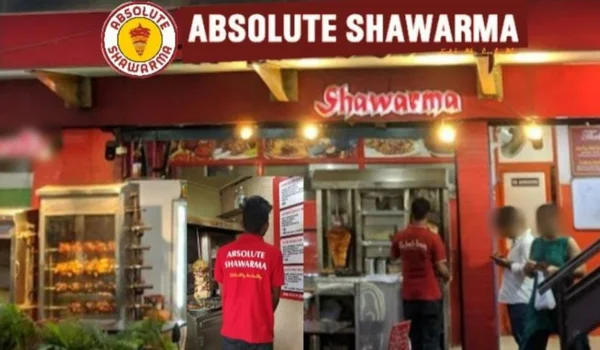
The shawarma business model is based on quick-service food (QSR) principles. It focuses on:
- High footfall
- Fast order fulfillment
- Limited menu
- Low manpower
- High volume sales
A typical shawarma outlet sells wrapped shawarmas, rolls, plates, and combos, often paired with drinks or fries. The goal is not high pricing but selling more units per day.
Unlike restaurants that depend on seating and ambience, shawarma businesses depend on:
- Location
- Taste consistency
- Speed
- Cost control
This makes it an ideal model for first-time entrepreneurs, small investors, and even home-based or cloud kitchen operators.
Types of Shawarma Business Models in India
- Street Food / Cart-Based Shawarma Stall
This is the most common and affordable model.
- Operates on footpaths or busy markets
- Very low setup cost
- High daily sales if location is good
- Small Shop or Kiosk Model
Usually 100–200 sq. ft. shops in markets or food streets.
- Better hygiene and branding
- Slightly higher pricing
- Suitable for long-term operation
- Food Court / Mall Outlet
Premium version of the shawarma business.
- Higher rent
- More footfall
- Brand visibility
- Cloud Kitchen Shawarma Brand
Online-only shawarma business using Swiggy/Zomato.
- No dine-in cost
- Delivery-focused
- Works well in metros
How Does a Shawarma Business Make Money?
Shawarma businesses make money mainly through high-margin food items sold in volume. Let’s understand the revenue streams.
- Shawarma Roll Sales (Core Income)
This is the primary revenue source.
Average selling price in India:
- Street stall: ₹80–₹120
- Shop/Kiosk: ₹120–₹180
- Mall/Cloud kitchen: ₹180–₹250
Cost per shawarma (approx):
- Chicken: ₹35–₹50
- Bread & veggies: ₹15–₹20
- Sauces & wrapping: ₹10–₹15
👉 Total cost: ₹60–₹85
👉 Gross margin per shawarma: ₹50–₹120
Selling 100–150 shawarmas per day can easily generate ₹5,000–₹15,000 daily revenue.
- Add-On Items (Upselling)
Smart shawarma businesses earn more through add-ons like:
- French fries
- Cheese shawarma
- Extra chicken
- Cold drinks
- Mojitos or shakes
Add-ons have very high margins (60–80%) and significantly increase average order value.
- Combo Meals
Combo offers such as:
- Shawarma + Fries + Drink
- Shawarma + Coke
These combos:
- Increase per-order value
- Improve customer satisfaction
- Reduce marketing effort
- Online Delivery Platforms
Many shawarma outlets partner with:
- Swiggy
- Zomato
- Magicpin
Though platforms charge commissions (20–30%), they:
- Increase order volume
- Help during non-peak hours
- Build brand visibility
Cloud kitchens especially depend heavily on this channel.
Cost Structure of a Shawarma Business
Understanding costs is critical to profitability.
Initial Setup Cost (Approx.)
| Item | Cost (₹) |
| Shawarma machine | 25,000 – 60,000 |
| Shop setup & branding | 30,000 – 1,00,000 |
| Raw materials | 10,000 – 20,000 |
| Licenses (FSSAI etc.) | 3,000 – 10,000 |
| Total | ₹70,000 – ₹2.5 lakh |
Monthly Operating Costs
- Rent: ₹8,000 – ₹40,000 (location-based)
- Raw materials: 30–40% of revenue
- Staff: ₹10,000 – ₹20,000
- Electricity & gas: ₹2,000 – ₹5,000
- Online platform commission (if applicable)
Profit Margin in Shawarma Business
Average profit margin:
- Gross margin: 55–65%
- Net margin: 20–35%
Example:
If a shop makes ₹3,00,000 per month in sales:
- Expenses: ₹2,00,000
- Net profit: ₹1,00,000 (approx)
This is why shawarma is considered a high-return food business when managed properly.
Why Shawarma Is a Scalable Business
One of the biggest strengths of the shawarma business model is scalability.
- Same recipe can be replicated
- Easy staff training
- Centralized raw material sourcing
- Can expand to multiple outlets or franchises
Many Indian shawarma brands started with one small outlet and now operate multiple locations.
Pros of Shawarma Business
✔ Low startup investment
✔ High demand among youth
✔ Quick preparation & fast turnover
✔ Easy to operate
✔ Works in small spaces
✔ Good profit margins
✔ Suitable for beginners
Cons & Challenges
✖ Highly competitive market
✖ Taste consistency is critical
✖ Perishable raw materials
✖ Hygiene issues can harm brand
✖ Seasonal demand fluctuations
Success depends heavily on quality control, location, and customer trust.
Key Success Tips for Shawarma Entrepreneurs
- Focus on taste and hygiene
- Choose high-footfall locations
- Use fresh chicken and sauces
- Keep menu simple
- Control raw material wastage
- Build presence on Google Maps & food apps
- Offer student-friendly pricing initially
Final Thoughts
The shawarma business model is one of the most practical and profitable food business ideas in India today. It does not require fancy interiors or huge capital—what it needs is consistent taste, smart pricing, and operational discipline.
If you’re someone looking to start a small food business with limited investment but strong earning potential, shawarma can be an excellent choice. With the right execution, it can grow from a single stall into a multi-outlet brand.