
Are you interested in starting a food business focused on popular South Indian cuisine? The Anna Idli franchise is one such opportunity gaining attention from entrepreneurs across India. In this article, we explore investment cost (₹), franchise fee & royalty, profit margin & ROI, space & manpower needs, franchisor support, pros & cons, application process, risks, FAQs, and conclusion.
Introduction: What Is Anna Idli Franchise?
Anna Idli (also called Anna Idli Cafe) is a South Indian fast food franchise known for serving idli, dosa, vada, filter coffee and other regional favourites. The brand operates on a franchise model that allows local business owners to open compact outlets with strong support from the franchisor. It is especially suitable for city high-footfall areas and small retail units.
Investment Cost (INR)
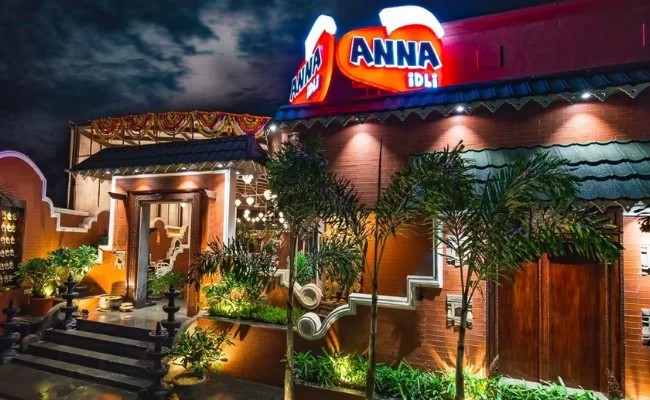
Starting an Anna Idli outlet requires a moderate investment, making it accessible to many small business entrepreneurs.
Estimated Cost Breakdown
| Expense Component | Typical Cost (₹) |
| Franchise Fee | ₹2,00,000 – ₹5,00,000 |
| Infrastructure & Setup | ₹5,00,000 – ₹10,00,000 |
| Initial Inventory & Supplies | ₹2,00,000 approx. |
| Total Estimated Investment | ₹7,00,000 – ₹15,00,000 |
This range includes the franchise fee, outlet setup, kitchen equipment, and initial stock. Costs can vary depending on city tier, rent, and format chosen.
Franchise Fee & Royalty
Franchise Fee
- One-time payment: ₹2 – 5 lakh to secure rights to use the Anna Idli name, recipes, and business model.
Royalty
- Ongoing brand royalty: 6 % – 9 % of monthly revenue in many cases.
Revenue Share
- Franchisee revenue share: 90 % – 100 % of sales after royalty charges, according to some reports.
⚠️ Exact fee and royalty terms vary by agreement — always confirm the final figures directly with the franchisor during negotiations.
Profit Margin & ROI
Profitability depends on your location, menu pricing, cost control, and daily sales.
Profit Expectations
| Metric | Typical Range |
| Net Profit Margin | 25 % – 45 % (varies) |
| Break-Even/ROI Period | 3 – 6 months (fast turnaround) |
| Revenue Share to Franchisee | 90 % – 100 % |
Some franchise insights suggest that, with efficient operations and good footfall, an Anna Idli shop can break even within 3 – 6 months and achieve healthy margins.
⚠️ These are estimates. Real profits depend on local rent, staffing costs, and market demand.
Space & Manpower Needs
Space Requirement
Anna Idli outlets are designed to work with compact spaces, making them suitable for high-traffic zones like malls, markets, and busy streets.
- Typical space needed: 60 – 150 sq.ft.
This minimal area keeps rental costs lower and helps new entrepreneurs enter the food business at a smaller scale.
Staff Requirements
Depending on the size and working hours:
- 2 – 3 staff for smaller kiosk/express outlets
- Additional cooks or helpers may be required for larger or higher-volume outlets
Hiring trained staff who can maintain consistent food quality and customer service is essential for success.
Franchisor Support
Anna Idli franchise typically offers support in key operational areas:
✔ Initial training and kitchen setup guidance
✔ Menu standardisation and recipe consistency
✔ Marketing and promotions support
✔ Operational procedures and quality control systems
✔ Ongoing advisory support during early months
This support is valuable for new entrepreneurs entering the food & beverage industry for the first time.
Pros & Cons of Anna Idli Franchise
Pros
✅ Low to moderate investment vs. many other food franchises
✅ Quick break-even period (3 – 6 months in many cases)
✅ High revenue share — most income stays with the franchisee
✅ Compact space requirement — lowers rental cost burden
✅ Standardised menu and brand support
Cons
❌ Ongoing royalty fees reduce net revenue
❌ High competition in the South Indian food segment
❌ Quality control is critical — any slip can affect customer trust
❌ Limited menu flexibility in many franchise agreements
Application Process: Step by Step
Follow these steps to apply for an Anna Idli franchise:
- Initial Inquiry: Visit the Anna Idli franchise page or contact their business team to express interest.
- Submit Business Profile: Provide your personal, financial, and proposed location details.
- Site Evaluation: Franchisor reviews your chosen site for customer potential.
- Agreement Terms: Discuss and sign the franchise agreement.
- Pay Initial Fees: Pay the franchise fee and any initial setup charges.
- Training & Setup: Complete training and setup your outlet per brand standards.
- Launch: Open your franchise with franchisor support on marketing and operations.
Risks to Consider
Every business opportunity has risks. For Anna Idli franchise:
⚠ Location Risk: Poor footfall can significantly reduce sales.
⚠ High Rent: In premium areas, rent can lower net profits.
⚠ Staff Retention: Hiring reliable workers and keeping turnover low is important.
⚠ Market Competition: South Indian food is offered by many local and organised brands.
Conduct market research before signing any agreement, and preferably visit existing franchises to understand real-world performance.
FAQs (Frequently Asked Questions)
Q1. How much does it cost to start an Anna Idli franchise?
A: Typically ₹7 – 15 lakh, including setup and franchise fees.
Q2. What is the royalty fee?
A: Usually 6 % – 9 % of monthly revenue, depending on agreement terms.
Q3. How soon can I expect ROI?
A: Many franchisees aim for break-even in 3 – 6 months with good operations.
Q4. Is prior restaurant experience required?
A: No, but experience in F&B or retail helps manage daily operations smoothly.
Q5. How much space is needed?
A: Small outlets usually work with 60 – 150 sq.ft space.
Conclusion
The Anna Idli franchise presents an affordable entry into the Indian food & beverage sector, especially for South Indian quick food lovers. With investment starting around ₹7 – 15 lakh, compact space needs, strong franchise support, and the potential for quick break-even within 3 – 6 months, it can be a viable business opportunity in the right location.
Like any food business, success depends on location choice, cost control, staffing quality, and consistent food experience. Avoid unrealistic income expectations — plan carefully, talk to existing franchisees, and confirm all terms before signing the agreement.
 Akshay Kumar