
Hira Sweets is a well-known Indian sweets and snacks brand with a strong presence in regions like Jabalpur and Madhya Pradesh. Known for traditional Indian mithai (sweets), namkeens, and snacks, the brand is expanding through franchise partnerships. This article explains the Hira Sweets franchise cost, franchise fee & royalty, profit margin & ROI, space and manpower needs, franchisor support, pros & cons, eligibility criteria, application process, risks, FAQs, and conclusion in a simple and clear way for anyone evaluating this opportunity.
🍬 What Is a Hira Sweets Franchise?
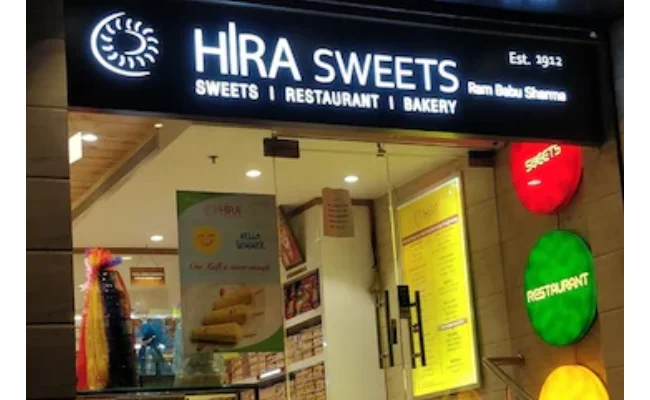
A Hira Sweets franchise lets you operate a sweets and snacks outlet under the Hira Sweets brand. As a franchisee, you can sell a wide range of Indian sweets, namkeens, and related products with support from the franchisor. This model is popular in India because sweets are consumed year-round, especially during festivals, celebrations, and special occasions.
💰 Investment Cost (INR)
The total investment for Hira Sweets depends on outlet size, location, and format. Based on reported figures, here’s a realistic snapshot:
| Cost Component | Estimated Range (₹) |
| Franchise Fee (one-time) | ₹20 Lakh (single outlet) |
| Master Franchise Fee | ₹50 Lakh (city region, non-refundable) |
| Setup & Infrastructure | ₹5 – 10 Lakh (interiors, kitchen) |
| Initial Inventory & Equipment | ₹4 – 7 Lakh (stock, machines) |
| Working Capital & Misc. Costs | ₹3 – 6 Lakh |
| Total Estimated Investment (Single) | ₹20 – ₹30 Lakh+ |
| Space Required | ~200 – 500 sq.ft* (varies by location) |
👉 The above ranges can change based on city tier (Mumbai/Delhi vs Tier-2/3 cities), rent, and interior quality. Franchisees should discuss exact figures with the brand.
💼 Franchise Fee & Royalty
🧾 Franchise Fee
- The one-time fee for a single Hira Sweets outlet is typically around ₹20 Lakh.
- For a master franchise (exclusive rights in a larger region or city), the fee can be ₹50 Lakh (non-refundable).
📊 Royalty & Ongoing Fees
Hira Sweets charges a royalty of around 4 % of monthly gross revenue to support branding and ongoing assistance.
These fees contribute to local and regional marketing, training, and quality control systems.
📈 Profit Margin & ROI
Profitability will vary by location, footfall, product pricing, and operating costs:
| Measure | Typical Estimate |
| Gross Profit Margin | ~20%* |
| Net Profit Margin | ~10% – 18% (after rent & staff) |
| Break-Even / ROI | ~24 – 36 months (varies by performance) |
*20% gross margin is a reported figure from Hira Sweets’ own guidelines.
With good product mix and steady customer demand, many sweet shop franchises aim to recover investment in about 2–3 years.
🏢 Space & Manpower Needs
📍 Space Requirements
Hira Sweets outlets perform best in high footfall areas such as markets, commercial streets, shopping zones, and food courts.
| Outlet Type | Recommended Space |
| Small Sweets Counter | ~200 – 300 sq.ft |
| Standard Retail Outlet | ~300 – 500 sq.ft |
| Larger Store (with seating) | 500 sq.ft + |
👥 Manpower Requirements
Typical staffing needs:
- Store Manager / Supervisor: 1
- Sales & Counter Staff: 2 – 4
- Kitchen / Sweet Preparers: 1 – 3 (depending on format)
- Helpers / Support Staff: 1 – 2
A well-trained team helps maintain quality and serve customers efficiently
🤝 Franchisor Support
Hira Sweets provides structured support to franchise partners:
✔ Initial training on product preparation, hygiene, and POS systems.
✔ Marketing & advertising assistance to attract customers.
✔ Operational guidance and standard operating procedures.
✔ Help with shop layout and branding elements.
This support helps ensure consistency in taste, service, and customer experience across all outlets.
👍 Pros & 👎 Cons
✅ Pros
✔ Recognised regional brand with heritage and loyal customers.
✔ Moderate investment compared to large restaurant franchises.
✔ Ongoing support from the franchisor.
✔ Year-round demand for sweets and snacks (festivals & celebrations).
❌ Cons
❗ Profit margin is moderate, around 20% gross.
❗ Royalty reduces net profit, though it funds support.
❗ Competition from local sweet vendors and other branded chains.
❗ Location-dependent sales: poor footfall means slower ROI.
📋 Eligibility Criteria
To qualify for a Hira Sweets franchise:
✔ Investment capacity: ~₹20 – ₹30 Lakh for a single outlet.
✔ Commercial space: ~200 – 500 sq.ft in a busy area.
✔ Passion for food retail and customer service.
✔ Business or retail experience helpful but not always mandatory.
✔ Legal requirements: GST registration, FSSAI food licence, trade licence, etc.
Franchisor may also set credit/history checks and business interview before approval.
✍️ Application Process
Here’s a typical step-by-step for Hira Sweets franchise:
- Initial Enquiry: Contact Hira Sweets’ franchise team through the official form.
- Submit Business Profile: Provide your investment plan and proposed site.
- Pre-Screening: Brand reviews your profile and location.
- Agreement: Discuss and sign the franchise agreement term.
- Setup & Training: Complete shop setup with franchisor support.
- Launch: Open your outlet with marketing support.
⚠️ Risks to Consider
✔ High rent costs in premium locations can reduce profits.
✔ Seasonal demand shifts (sales often spike during festivals but may slow mid-year).
✔ Quality control: maintaining product consistency is crucial.
✔ Competition: from local sweet shops and big brands alike
❓ FAQs (Frequently Asked Questions)
Q1. How much does a Hira Sweets franchise cost?
A: Around ₹20 – ₹30 Lakh including franchise fee, setup, inventory, and working capital.
Q2. Is there a royalty fee?
A: Yes — typically around 4 % of monthly revenue.
Q3. How much space is required?
A: Around 200 – 500 sq.ft depending on outlet size and format.
Q4. What profit margin can I expect?
A: Around 20% gross margin.
Q5. How long until break-even?
A: Many outlets aim to break even in 24 – 36 months with good location and management
🏁 Conclusion
The Hira Sweets franchise in India offers a moderate-investment opportunity in the traditional sweets and snacks market. With established brand appeal, structured support, and a product range that attracts customers across occasions, it can be a viable business if you select the right location and manage operations well. However, carefully review terms and projections with the franchisor before committing, and conduct local market research to ensure demand.
 Akshay Kumar