
U.S. Polo Assn. (US Polo) is a globally recognised casual apparel and lifestyle brand with strong demand in India. Owned and operated locally through partners like Arvind Fashions, the brand is expanding its retail footprint across Indian cities in malls and high streets. For fashion retail investors, a U.S. Polo franchise can be a strategic entry into the premium fashion segment. This article explains the franchise cost, fees & royalty, profit margin & ROI, space & manpower needs, franchisor support, pros & cons, eligibility, application process, risks, FAQs, and conclusion.
👕 Why Choose a U.S. Polo Franchise in India?
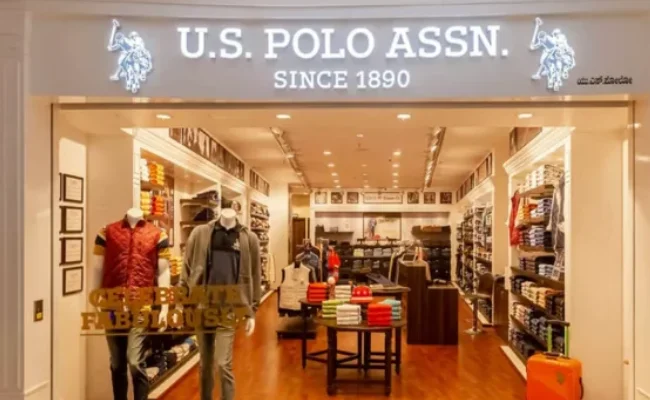
U.S. Polo Assn. is the official brand of the United States Polo Association, offering apparel, footwear, accessories for men, women, and children. The brand blends sport heritage with fashion appeal, attracting urban and semi-urban shoppers. India’s retail fashion market continues to grow, making premium yet affordable brands like U.S. Polo attractive for franchise investors.
💰 Investment Cost (INR)
The initial investment for a U.S. Polo Assn. franchise varies based on store model, size, and location.
| Expense Head | Estimated Range (₹) |
| Franchise Fee (one-time) | ₹10 – ₹30 Lakh |
| Store Setup & Interiors | ₹30 – ₹50 Lakh |
| Inventory & Stock | ₹20 – ₹40 Lakh |
| Working Capital | ₹10 – ₹20 Lakh |
| Marketing & Launch | ₹5 – ₹10 Lakh |
| Total Estimated Investment | ₹50 Lakh – ₹1.5 Crore+ |
💡 Smaller Shop-in-Shop (SIS) formats can start around ₹50 – ₹80 Lakh, while Exclusive Brand Outlets (EBO) typically cost ₹1 – ₹1.5 Crore+.
💼 Franchise Fee & Royalty
🧾 Franchise / Brand Fee
U.S. Polo charges a one-time franchise fee that generally falls between ₹10 Lakh and ₹30 Lakh, depending on store size and city.
📊 Royalty & Ongoing Fees
Most sources report a royalty fee of around 6 % – 8 % of gross sales, which covers ongoing brand use, marketing, and support.
These recurring fees are typical for international fashion franchises and fund national campaigns, inventory support, and operational guidance.
📈 Profit Margin & ROI
Retail fashion franchises often operate on moderate profit margins, which depend on location, footfall, pricing, and cost control.
| Metric | Typical Estimate |
| Gross Profit Margin | 30 % – 40 % (before expenses) |
| Net Profit Margin | 10 % – 20 % (after costs) |
| Break-Even / ROI | ~24 – 36 months |
✔ A well-located premium apparel store with strong sales can approach break-even in 2–3 years; performance varies with operational efficiency and product trends.
🏢 Space & Manpower Needs
📍 Space Requirements
| Format | Recommended Space |
| Shop-in-Shop (SIS) | ~500 – 800 sq.ft |
| Exclusive Brand Outlet (EBO) | ~1,000 – 1,500 sq.ft |
| Flagship / Larger Outlet | ~1,500 – 2,000 sq.ft |
✔ Prime locations like malls, high streets, and commercial hubs drive higher footfall and sales.
👥 Manpower Requirements
Typical staffing for a franchise apparel store includes:
- Store Manager: 1
- Sales Associates: 3 – 6
- Inventory/Stock Assistants: 1 – 2
- Support Staff: 1 – 2
Skilled retail staff improves customer experience and boosts sales.
🤝 Franchisor Support
U.S. Polo Assn. franchisees receive structured support from the brand and retail partner (e.g., Arvind Fashions), including:
✔ Site selection and layout planning
✔ Store design & branding guidelines
✔ Staff training on products and customer service
✔ Marketing & promotional campaigns
✔ Inventory and supply chain assistance
✔ Ongoing operational support through audits and field visits
These resources help first-time retail operators understand best practices and optimise sales.
👍 Pros & 👎 Cons
✅ Pros
✔ Strong international brand with high recognition — builds customer trust.
✔ Diverse product range — apparel, footwear, accessories.
✔ Structured support system — training, marketing, supply assistance.
✔ Retail fashion sector growth in urban and semi-urban India.
❌ Cons
❗ High initial investment compared with smaller retail franchises.
❗ Royalty fees reduce net margins.
❗ Competition from other premium and fast fashion brands.
📋 Eligibility Criteria
To qualify as a U.S. Polo Assn. franchisee, you typically need:
✔ Sufficient investment capacity: ₹50 Lakh – ₹1.5 Crore+ for store setup.
✔ Commercial space access in prime locations.
✔ Retail or business experience preferred.
✔ GST, trade licence & FSSAI (if applicable) registered.
✔ Commitment to brand standards and customer experience.
These criteria ensure franchisees can manage operations, build customer loyalty, and meet brand expectations.
✍️ Application Process
Here’s a typical pathway to apply:
- Initial Enquiry: Contact the U.S. Polo Assn./Arvind Fashions franchise team.
- Submit Profile & Location: Provide investment plan and proposed retail site.
- Evaluation: Brand assesses financial strength and site feasibility.
- Agreement Signing: Franchise contract with fee, royalty, and terms.
- Store Setup & Training: Complete design, inventory, and staff training.
- Launch & Marketing: Opening with brand support for promotions.
📌 Always review contractual terms with legal and financial advisers before signing.
⚠️ Risks to Consider
✔ Retail demand fluctuation: Fashion trends change quickly — stock must match demand.
✔ High rent costs: Prime retail space carries significant fixed cost.
✔ Operational complexity: Inventory and staff management require experience.
✔ Competition: Other premium and fast fashion brands in malls/high streets.
❓ FAQs (Frequently Asked Questions)
Q1. What is the U.S. Polo franchise cost in India?
A: Total investment typically ranges from ₹50 Lakh to ₹1.5 Crore+ depending on format and location.
Q2. Is there a franchise fee?
A: Yes — commonly ₹10 – ₹30 Lakh (one-time).
Q3. What space is needed?
A: Around 500 – 2,000 sq.ft based on shop type.
Q4. How long until break-even?
A: Many franchise stores aim to break even in 24 – 36 months.
Q5. Do they provide training and marketing support?
A: Yes — U.S. Polo offers comprehensive training, marketing and supply chain support.
🏁 Conclusion
A U.S. Polo Assn. franchise in India offers a strong opportunity in the premium fashion retail sector with a globally recognised brand, structured support, and growth potential. While initial investment is higher than many retail franchises, the brand’s wide appeal, diversified product range, and expanding presence across Indian cities make it a compelling choice for experienced investors willing to manage a fashion retail business.
 Akshay Kumar